Queen Creek Water Heater Repair for New-Build Homes
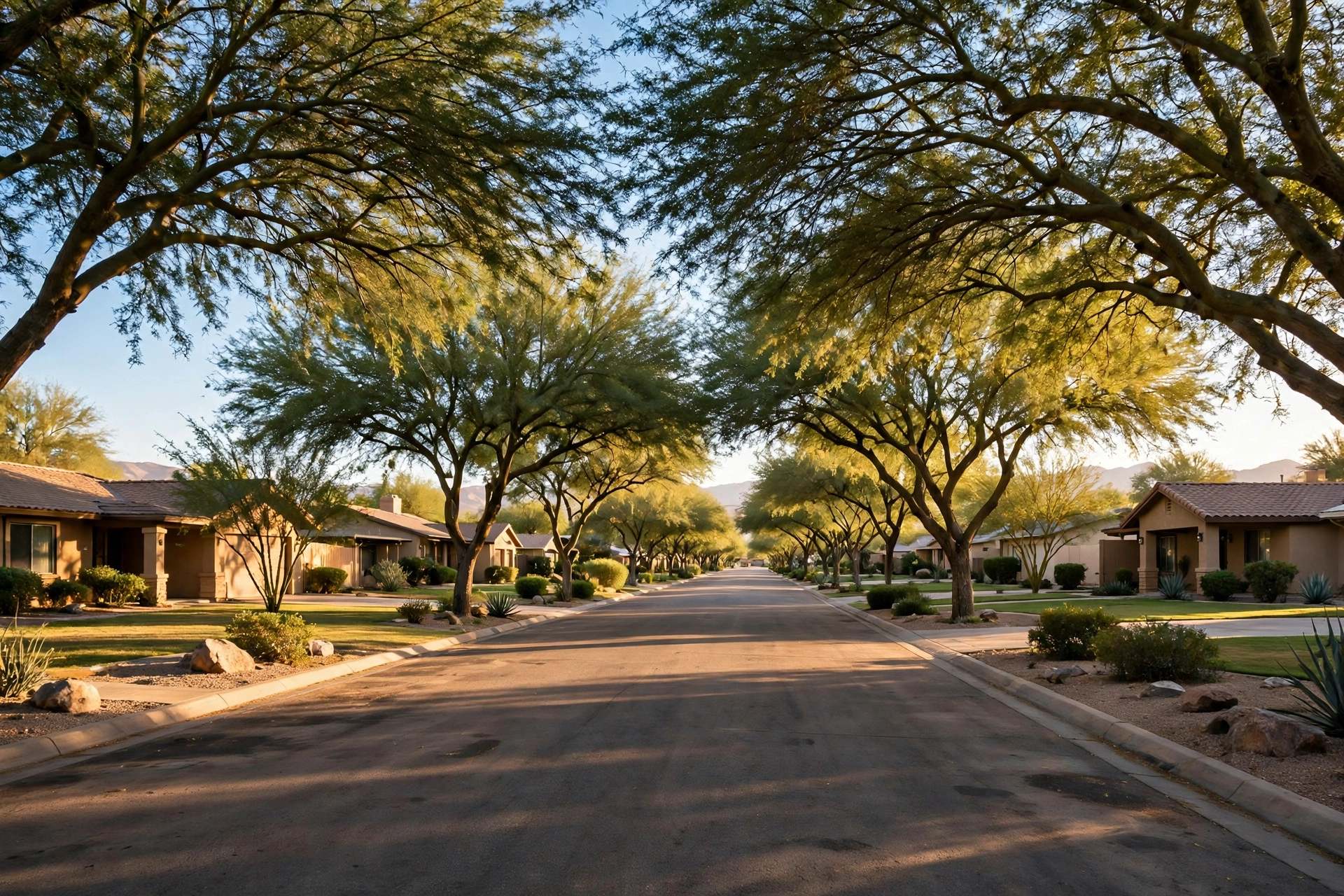
Queen Creek is the East Valley's newest chapter, and its water heaters are writing their first pages. Across the 85142 ZIP code, large new-build subdivisions stretch toward the San Tan Mountains, filled with young families in homes where the water heater is often the original builder-grade unit. Valley Water Heater Pros connects these homeowners with independent contractors who specialize in new-construction plumbing and the specific ways it ages.

Serving Queen Creek, AZ 85142
New does not mean maintenance-free, especially not here. Queen Creek's water runs 15 to 25 grains per gallon, hard enough to start scaling a brand-new tank within its first years. Summer garage heat past 115 degrees stresses components from day one, and builder-grade units arrive with thinner anode rods and basic parts that assume ideal conditions. The homeowners who start annual flushes early get ten years from these tanks; the ones who assume new means worry-free often get six.
Builder-Grade Tanks in New-Build Subdivisions
Every new Queen Creek subdivision arrives with the same quiet compromise: water heaters chosen to meet code at the lowest cost. Builder-grade tanks work, but they are built with thinner anode rods, basic thermostats, and minimal insulation compared to upgraded models. In soft-water climates they coast for years; in Queen Creek's 15 to 25 grain water, they start accumulating damaging sediment immediately.
The surprise for new homeowners is timing. A builder-grade tank that never gets flushed can show sediment symptoms, rumbling, reduced capacity, lukewarm recovery, within three to five years. That feels premature for a new home, but it is exactly what the water chemistry predicts. The tank is not defective; it is unmaintained in harsh conditions.
The fix is gloriously boring: start the annual <a href="/water-heater-maintenance">flush habit</a> now, while the sediment is soft and the anode rod still has life. Early maintenance on a young tank is the highest-return plumbing habit a new homeowner can build, and it costs far less than the early replacement it prevents.
First-year homeowners can also check whether the builder left the tank's documentation: manual, warranty card, and install date. Builders sometimes leave these in a kitchen drawer or taped inside a cabinet; sometimes they vanish. If the paperwork is missing, the label photo and your own maintenance log become the record. Start both in month one and the trail is complete from the beginning.
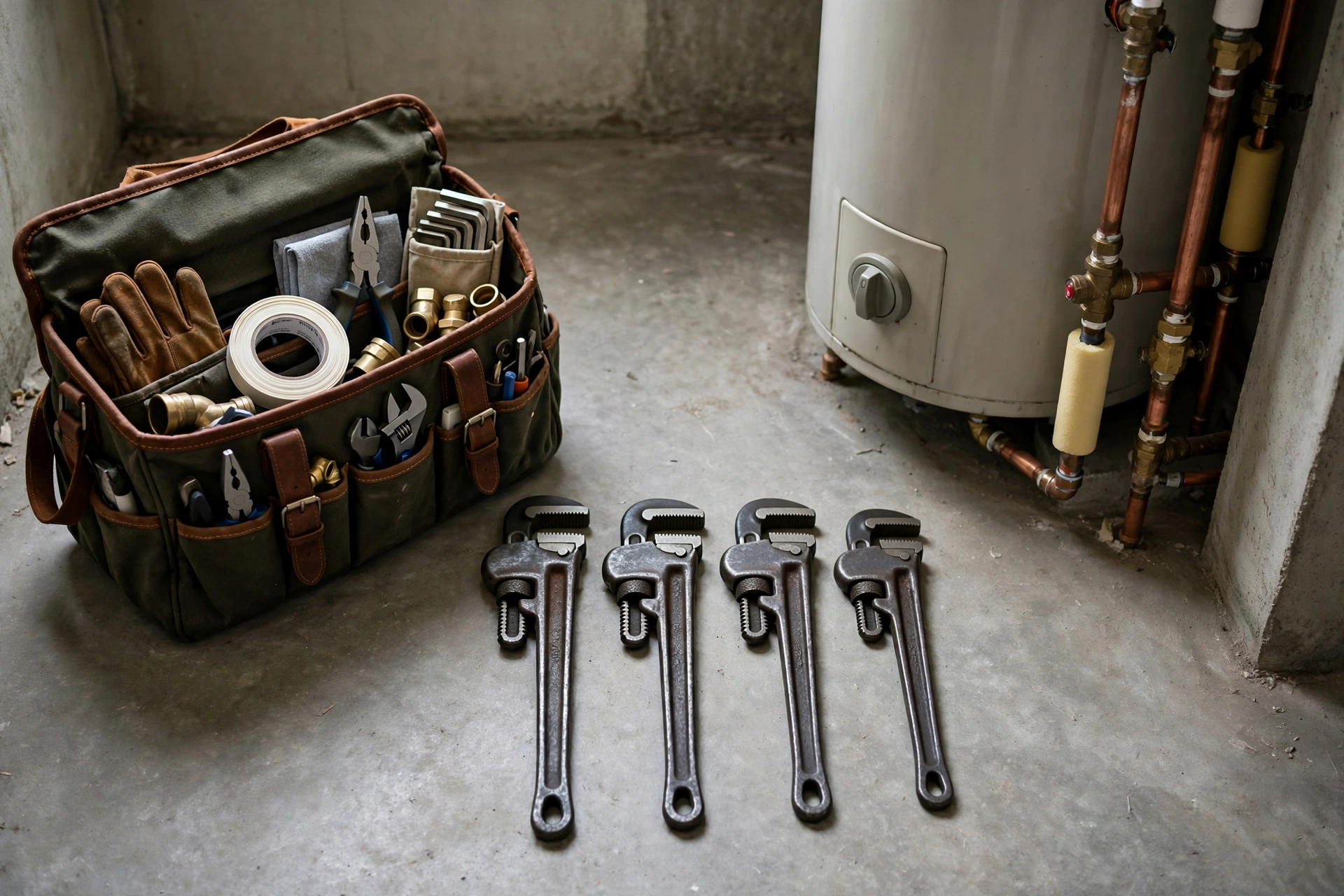
What New-Home Warranties Cover, and What They Miss
Queen Creek buyers often assume the builder warranty covers everything for the first year or two, and water heaters specifically cause confusion. Builder warranties typically cover defects in materials and workmanship, not maintenance neglect, and certainly not the effects of hard water. A tank that fails from years of unflushed sediment is a maintenance story, not a warranty story, even in a nearly new home.
Read the warranty paperwork with the water heater in mind. Note what is covered, for how long, and what maintenance the warranty requires you to perform. Some warranties expect documented annual maintenance; skipping it can complicate a legitimate claim later. Keep records of every flush and service visit from day one.
Independent <a href="/water-heater-repair">repair service</a> complements the warranty rather than competing with it. For issues the warranty does not cover, and for all maintenance, a local contractor who knows new-construction plumbing is the faster, more flexible option than the builder's warranty process. Photograph the warranty pages that mention the water heater specifically, so the terms are searchable later.
Growing Families and the Morning Hot Water Crunch
Queen Creek's subdivisions are full of young families, and young families are the ultimate stress test for a builder-grade tank. Kids multiply, shower schedules compress into the pre-school hour, and laundry runs constantly. A 50-gallon tank that served a couple fine becomes the bottleneck of a household of five, and the morning hot water crunch becomes a daily negotiation.
Capacity problems masquerade as equipment failures. If the first two showers are hot and the third is lukewarm, the tank is probably working exactly as designed; the household has simply outgrown it. A contractor can confirm this with a quick assessment of capacity versus actual demand, saving you from repairing a tank that was never the problem.
Solutions scale with the household. A larger high-recovery tank buys headroom, while <a href="/tankless-water-heater-installation-repair">tankless</a> ends the rationing entirely with continuous hot water. Either way, the decision should be sized to the family you have now, with room for the teenagers those toddlers will become.
Laundry habits deserve a mention in the hot water math. Households running multiple warm-water loads daily draw more than the shower schedule suggests, and high-efficiency washers changed the equation versus older top-loaders. When discussing capacity with a contractor, mention the laundry routine honestly. The tank does not care which appliance used the water, only that it is gone.
Garage Installs in Modern Queen Creek Floor Plans
Today's Queen Creek floor plans still put the water heater in the garage, because Arizona homes do not have basements and the garage remains the practical choice. Modern garages are better insulated than their predecessors, but they still soar past 115 degrees on summer afternoons, and the tank still sits in that heat for months. New construction does not repeal thermodynamics.
What has improved is the surrounding infrastructure. Newer homes tend to have proper drain pans, accessible shutoff valves, and cleaner venting runs on gas units. Verify all of it during your first year: confirm the pan drains somewhere useful, learn where the shutoff is, and make sure the area around the tank stays clear as the garage fills with life.
Two-story plans sometimes place the tank in an upstairs utility space or attic instead. If yours did, the attic rules apply: verify the pan, keep the drain line clear, and watch ceilings below for early staining. Location determines the failure mode, even in a brand-new house.
Hard Water Meets Brand-New Plumbing
There is a particular disappointment in watching hard water attack a new home's plumbing. Within the first couple of years, Queen Creek owners notice the signs: white scale on fixtures, spots on glass, and a water heater that starts rumbling far sooner than expected. At 15 to 25 grains per gallon, the water does not care that the pipes are new.
New-build plumbing actually gives owners an advantage: starting treatment early protects everything at once. A water softener installed in the first years guards the water heater, the fixtures, the dishwasher, and the washing machine simultaneously, before scale gets a foothold anywhere. It is the rare home improvement that pays back across every water-using appliance.
Without treatment, the annual flush becomes the line of defense. And the anode rod deserves earlier attention than the manual suggests, because hard water consumes it faster. A <a href="/water-heater-maintenance">maintenance visit</a> in year two or three establishes the baseline that guides every decision after.
Irrigation and outdoor spigots tie into the same water story. Hard water spots on windows and cars are the visible half of what is happening inside the pipes and tank. If the outdoor evidence is heavy, the indoor buildup is too. Let what you see outside motivate what you maintain inside, starting with the water heater.
Tankless Upgrades for Large New Homes
Queen Creek's large new floor plans, four and five bedrooms with multiple full baths, are natural tankless candidates. When the household regularly runs two showers plus laundry plus dishwasher in the morning window, a tank's recovery math stops working and the rationing begins. Tankless removes the tank from the equation entirely: hot water becomes a flow rate, not a finite supply.
New construction simplifies the conversion. Gas lines, venting routes, and electrical panels in recent builds are often closer to tankless-ready than in older homes, though sizing and infrastructure still need professional verification. The conversation starts with peak simultaneous demand, measured honestly, not with a catalog guess.
The maintenance covenant still applies. Tankless in 15 to 25 grain water needs yearly descaling at minimum, and treatment multiplies its lifespan. <a href="/water-heater-installation">Installation</a> day is the ideal moment to set up both the unit and the maintenance plan that protects it, so the upgrade delivers its full 15 to 20 year promise.
Dust Storms, San Tan Views, and Venting
Queen Creek's position at the Valley's edge brings spectacular San Tan Mountain views and equally spectacular dust. Haboobs roll through with fine grit that infiltrates every vent, burner compartment, and outdoor enclosure. Gas water heaters feel it first: burners foul, pilots struggle, and vent terminations collect debris that restricts draft.
After major dust events, a walk-around beats a guess. Check that exterior vent caps are intact and unobstructed, clear dust from around the unit, and note any new sooting or irregular burner behavior. These small post-storm habits prevent the slow degradation that turns into a no-hot-water call weeks later.
Newer subdivisions with tile roofs add a venting wrinkle for gas units: roof penetrations and flashing need to stay sound through thermal cycling and wind. If a replacement ever touches the venting, make sure the roof side of the job gets proper attention. Water heaters and roofs meet at exactly one vulnerable point, and it deserves respect.
New communities on former farmland get an extra dust bonus: disturbed soil stays loose for years after construction, and every wind event reloads the air. Homes nearest open fields and active construction catch the worst of it. If your street is still building out, expect burner and vent attention more often until the neighborhood finishes and landscaping matures.
The First-Time Homeowner's Water Heater Checklist
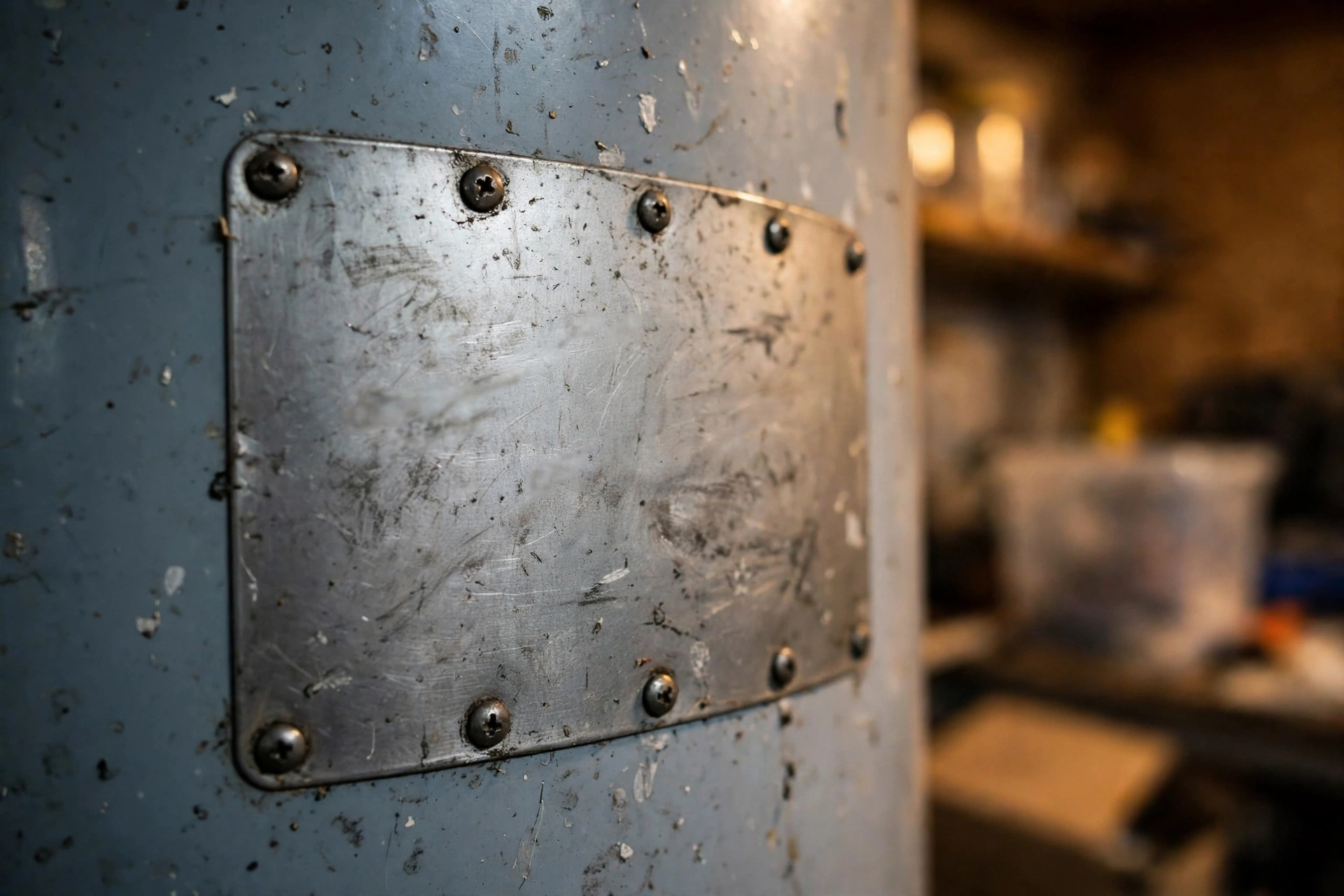
New to homeownership in Queen Creek? The water heater deserves fifteen minutes of your attention in the first month. Find the tank, photograph the manufacturer's label showing model, capacity, and serial number, locate the water shutoff valve and the gas valve or breaker, and check the thermostat setting. That photo on your phone will make every future service call smoother.
Next, start the paper trail. Log the install date, schedule the first annual flush before the end of year one, and keep every service receipt. If a warranty claim ever arises, documented maintenance is your best friend. If you ever sell, buyers love a water heater with records.
Finally, learn the early warning signs before you need them: rumbling during heating, rusty hot water, dampness at the tank base, and showers going lukewarm sooner than they used to. Catching any of these early turns a potential emergency into a scheduled <a href="/water-heater-repair">repair visit</a>. Homeownership is mostly about noticing things in time, and the water heater is a great place to practice. Set a yearly phone reminder for the flush so the habit survives the busiest seasons.
Related: Water heater maintenance and flushing, Tankless water heater services, Water heater installation, Water heater repair in Gilbert, Water heater repair in Chandler
Water Heater Questions in Queen Creek?
Tell us what your unit is doing and where you are, and we will help arrange the next step.
My Queen Creek home is only four years old. Why is the water heater already noisy?
At 15 to 25 grains per gallon, hard water builds audible sediment within a few years, even in a new tank, especially builder-grade units that never got flushed. Rumbling means water is boiling through trapped mineral deposits. A professional flush usually quiets it down, and starting annual flushes now prevents it from hardening into permanent scale.
Does my builder warranty cover water heater maintenance?
No, builder warranties cover defects in materials and workmanship, not routine maintenance or hard water effects. Skipping flushes and anode rod checks can even complicate a legitimate warranty claim. Keep records of annual maintenance from day one to protect both the tank and any warranty coverage.
Should I install a water softener in a new build?
In Queen Creek's very hard water, a softener is one of the smartest early investments. Installed in the first years, it protects the water heater, fixtures, and appliances before scale gets a foothold. It also stretches water heater lifespan significantly and reduces the frequency of intensive descaling.
How do I know what size water heater my family needs?
Size from actual simultaneous use: count the showers, dishwasher, and laundry that run in your busiest hour, not just the number of bathrooms. A contractor can translate that into gallons and recovery rate, or into a tankless flow rate. Growing families should size with a few years of growth in mind.
Is tankless worth it in a brand-new home?
Often yes for larger households with high simultaneous demand, since new construction usually has more tankless-friendly infrastructure. The benefits are endless hot water and a 15 to 20 year lifespan. The requirements are honest sizing, adequate gas or electrical capacity, and disciplined descaling in hard water.
Where is the water shutoff for my water heater?
There is usually a dedicated shutoff valve on the cold water line entering the top of the tank; turn it clockwise to close. In new builds it should be accessible and labeled, often in the garage near the unit. Find it before you need it, and make sure everyone in the household knows where it is.
Water Heater Questions in Queen Creek, Answered
Not seeing your question? Request service and tell us what your unit is doing.
Request ServiceNearby East Valley Towns and Cities


 Hot Water, Handled
Water Heater Repair in Queen Creek
Valley Water Heater Pros connects Queen Creek homeowners with independent plumbing contractors who know new construction plumbing inside and out. As the East Valley's newest growth area, Queen Creek is full of large new-build subdivisions where builder-grade tanks are meeting 15 to 25 grains per gallon of hard water for the first time. Local lifespans run about 6 to 10 years, and early maintenance decides which end a tank reaches. Contractors serving the 85142 area handle repairs, flushes, warranty-aware service, and upgrades for growing families.