Request Water Heater Service
There is no phone number, email address, or web form on this page, and that is intentional. This site connects you with an independent local contractor through a simple service request instead of routing you through a call center.
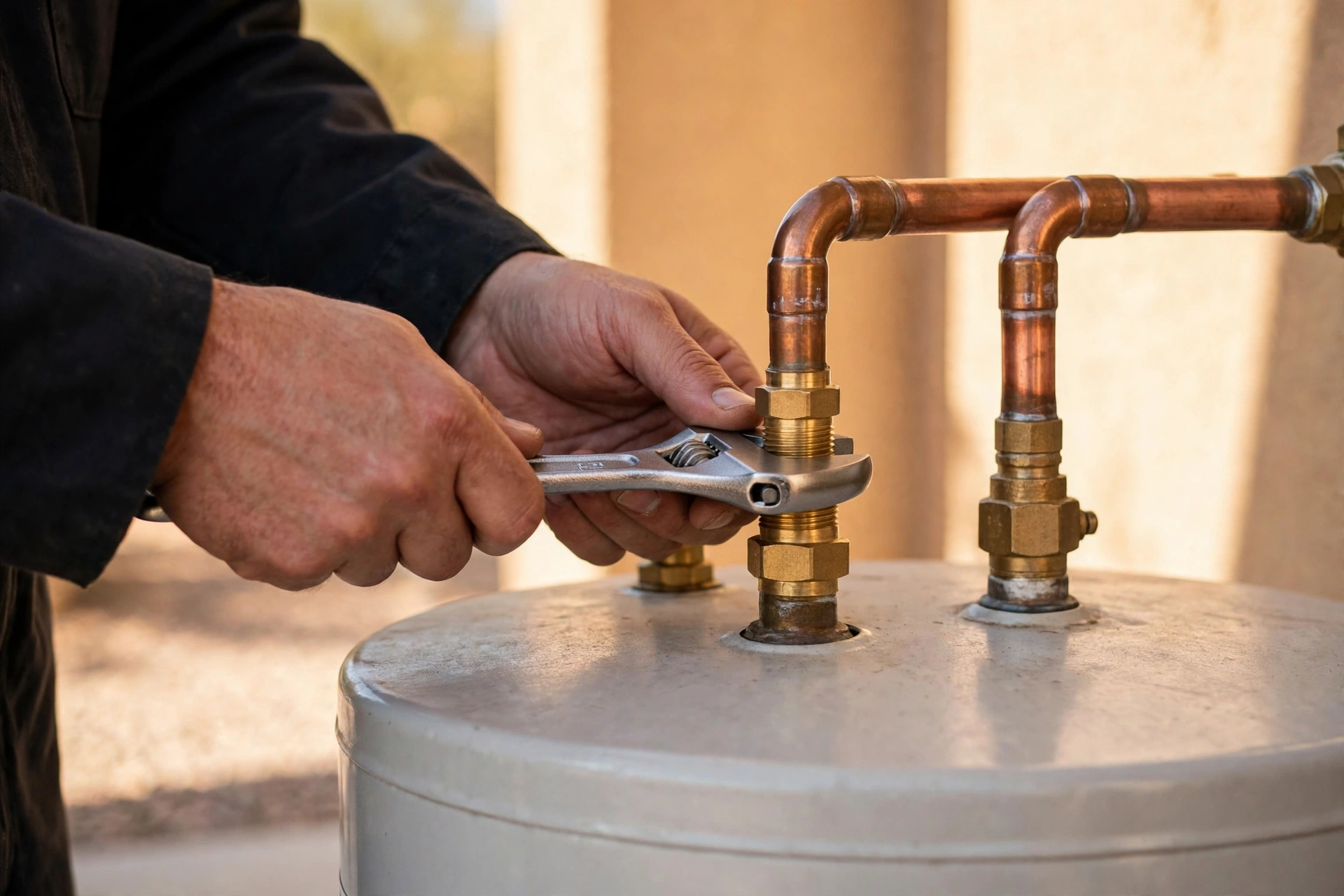
Read below to see which areas are covered, what happens after you request service, and what information helps the contractor prepare for your visit.
Areas Where Service Requests Are Accepted
Service requests are accepted from Tempe and the surrounding East Valley. That includes Mesa, Chandler, and Gilbert, Scottsdale and Phoenix, and Apache Junction and Queen Creek on the edges of the metro. Contractors in the network cover the full range of residential neighborhoods in these towns.
Within Tempe, that means the areas around Arizona State University, Tempe Town Lake, and Mill Avenue, the ranch-home districts south of the university, and the neighborhoods along the 101 and 202 corridors. Whether your heater sits in a garage, an attic, or an outdoor enclosure, there is a contractor nearby who works on that setup regularly.
If you are just outside the listed towns, send a request anyway. Coverage stretches across town lines within the metro, and the matched contractor will confirm whether your street is within their route.
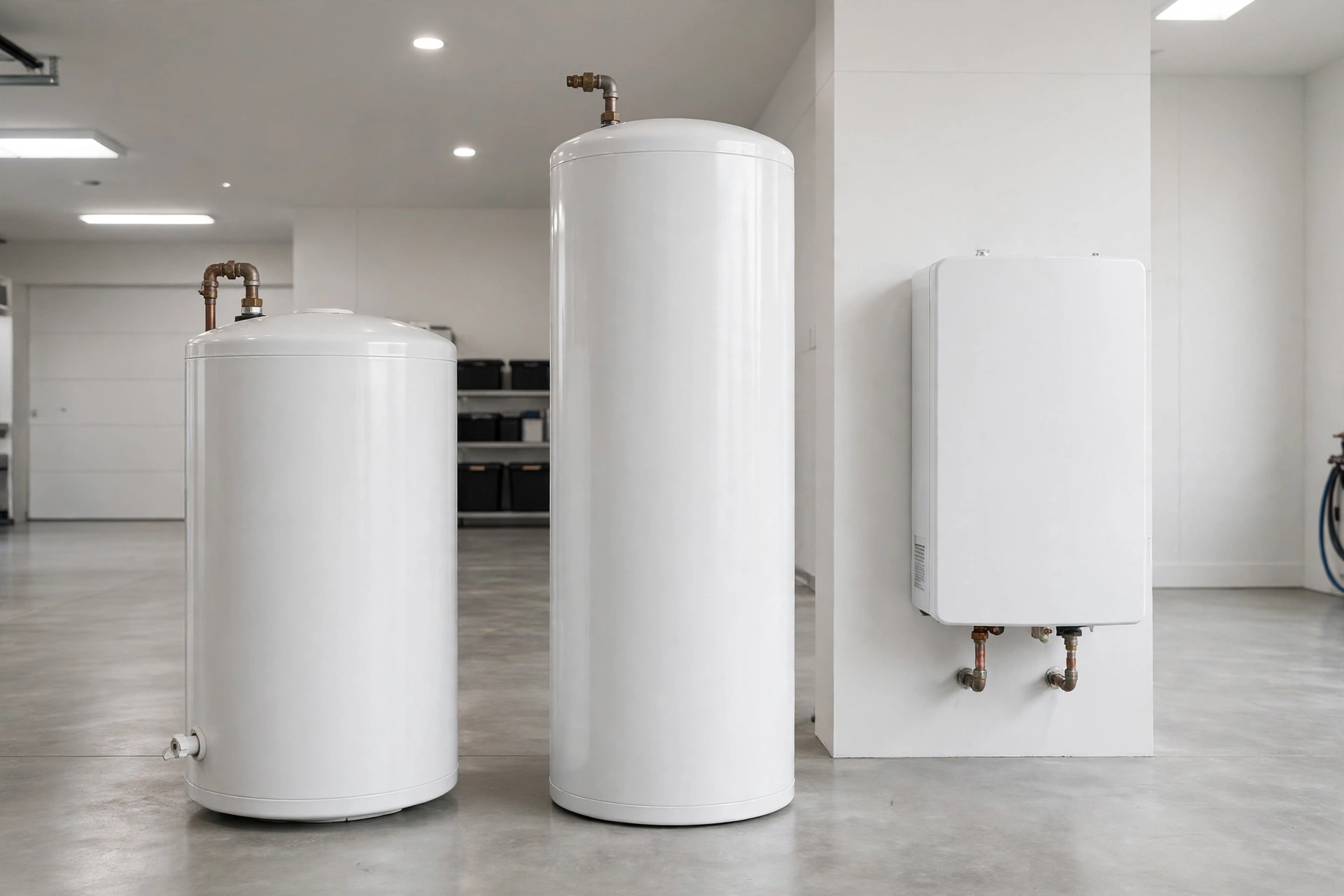
What Happens After You Request Service
Your request is matched with an independent local contractor who serves your area and handles the type of work you described. The contractor contacts you directly, so from that point on you are talking with the local business that will do the work.
Expect a few questions first. The contractor will want to know what is happening: no hot water, lukewarm water, noises, a leak, or an aging unit you want evaluated. They may ask the age of the heater, whether it is gas or electric, and where it is installed. These details help them arrive prepared.
Then you schedule the visit. The contractor proposes a time, comes out, diagnoses the problem, and explains your options. Nothing proceeds without your approval. If you decide not to go ahead with the proposed work, that is the end of it, with no further obligation.
The contractors handle the full scope of residential water heater work, so one request covers repairs, replacements, tankless installs, maintenance, and emergency breakdowns. If you are not sure which category your problem falls into, describe the symptoms and let the contractor sort it out.
Information That Helps Your Contractor
You do not need to diagnose your heater before requesting service, but a few details make the first conversation smoother. The age of the unit is the most useful single fact: a heater under six years old usually points to a repair, while one pushing past eight to ten years in Valley water may be a replacement candidate.
Knowing whether your heater runs on gas or electric helps too. Gas units have a pilot or electronic ignition and a vent; electric units have upper and lower heating elements and no vent. If you are not sure, that is fine. The contractor will figure it out on arrival.
The location of the heater matters for access: garage, attic, closet, or outdoor enclosure. Attic units in particular benefit from advance notice so the contractor brings the right equipment. Finally, note any visible symptoms: water on the floor, rust-colored hot water, popping sounds, or a pilot light that keeps going out.
Gather what you can, but do not delay a request over missing details. The contractor's first job is to diagnose, and that happens in person.
Related: when replacement makes sense, water heater articles for Valley homeowners