Water Heater Repair in Tempe, With Same-Day Visits
Life in Tempe runs on hot water more than most people stop to realize. Between early classes at Arizona State University, morning workouts near Kiwanis Park, and evening shifts along Mill Avenue, the day starts with a shower and usually ends with one. When the water heater quits, the whole routine falls apart. Valley Water Heater Pros connects Tempe homeowners, landlords, and renters with independent plumbing contractors who diagnose and fix <a href="/water-heater-repair">water heater</a> problems across the 85281 ZIP code and the neighborhoods around it.
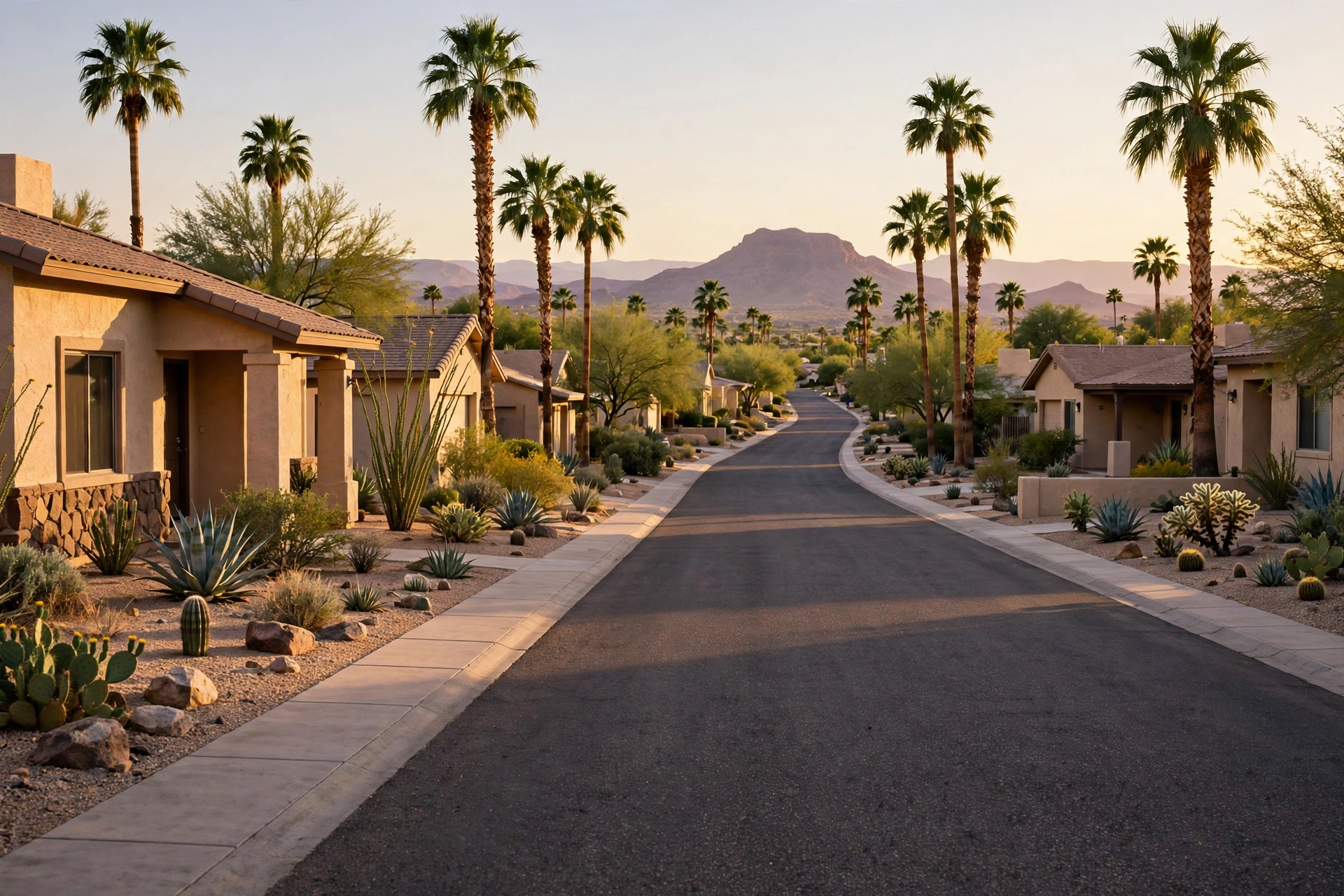
Serving Tempe, AZ 85281
Tempe's housing stock tells the story of a city that grew up around a university. Stucco ranch homes from the mid-20th century sit a few blocks from student rentals near campus, and plenty of them still run on original or second-generation tanks. Add some of the hardest water in the Valley, summer garage temperatures that push past 115 degrees, and the dust that monsoon season drags through every vent, and local water heaters work harder than they do in most American cities. That is why annual flushing, anode rod checks, and honest repair-versus-replace guidance matter so much here.
Same-Day Help for No-Hot-Water Mornings Near ASU
There is a special kind of panic that hits when you step into an ice-cold shower at 7 a.m. before a lecture. Around the Arizona State University campus, in the student rentals and duplexes along the Apache Boulevard corridor, water heaters take a beating from constant use. Multiple roommates, back-to-back showers, and laundry running at midnight mean the tank rarely gets a break, and small problems turn into no-hot-water emergencies fast.
When the pilot will not stay lit, the breaker keeps tripping, or the tank has simply given up, waiting days for a fix is not realistic. Independent contractors serving Tempe offer same-day visits for exactly this kind of morning. They arrive, test the thermostat and heating elements, check the gas valve or electrical connections, and tell you plainly whether a repair will get you through the semester or whether the unit is done.
If you are dealing with a flooded garage or water spreading across a laundry room floor, treat it as urgent. Shut off the water supply to the tank if you can find the valve, and call for <a href="/emergency-water-heater-repair">emergency water heater repair</a> right away. A leaking tank does not get better on its own, and every hour of delay risks more damage to drywall, flooring, and stored belongings.
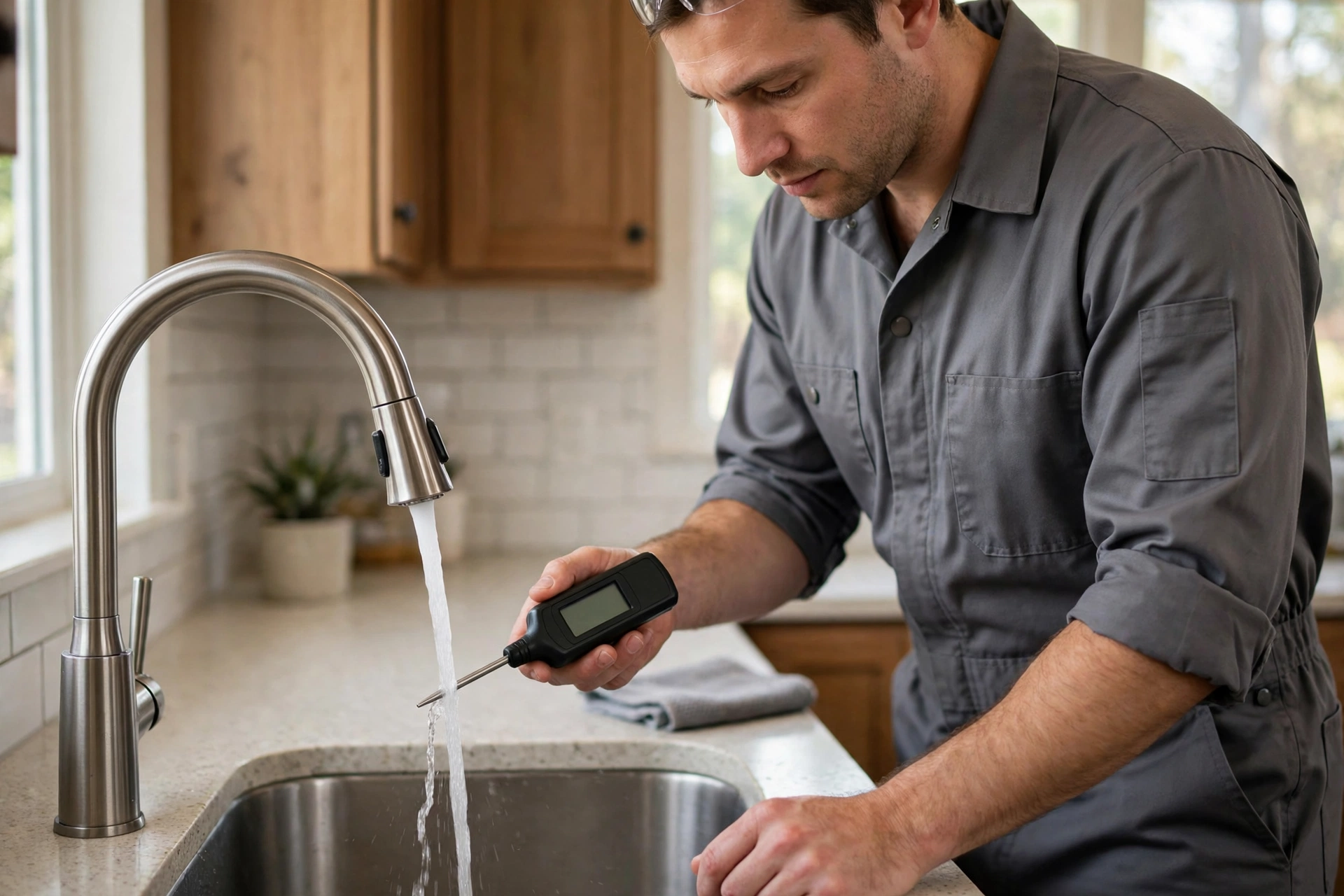
Stucco Ranch Homes and the Tanks Hiding in Their Garages
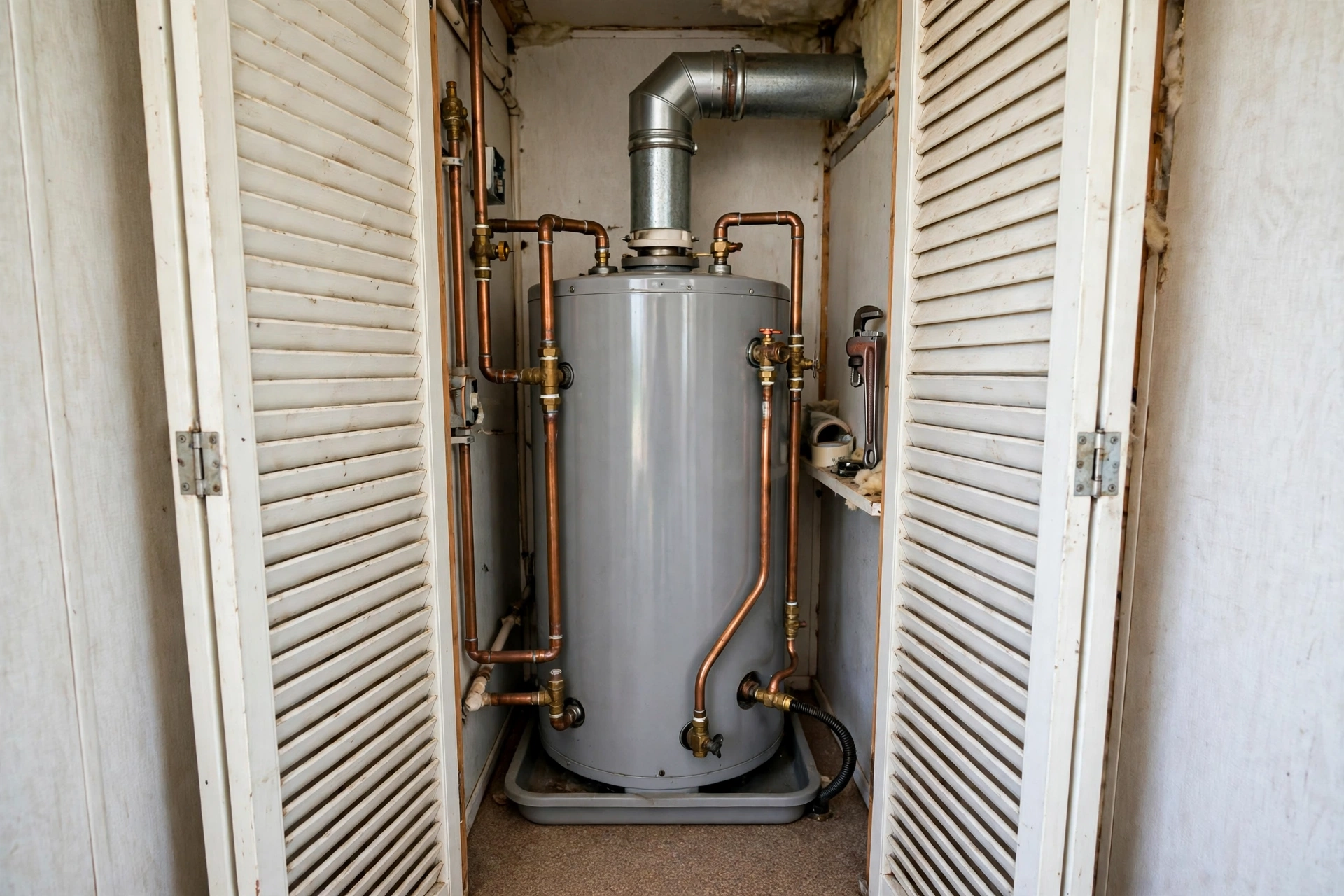
Arizona homes do not have basements, so in Tempe the water heater almost always lives in the garage. In the stucco ranch neighborhoods that spread out from downtown, between Hayden Butte and the neighborhoods south of Broadway, those garages turn into ovens every summer. A tank baking in 115-degree heat works overtime: insulation breaks down faster, pressure relief valves cycle more often, and the metal fatigues sooner than the same unit would in a cooler climate.
Garage placement has one upside, which is that a leak is easier to spot than it would be in a finished basement. The downside is that many Tempe garages double as storage, workshops, and laundry rooms, so a slow leak can hide behind boxes for weeks. Take a look at the base of your tank every month or two. Rust streaks, damp concrete, or a musty smell are early warnings worth acting on.
Placement also matters when it is time for a replacement. Contractors can advise on pan drains, expansion tanks, and strapping that fit a garage install, and on whether your current spot still makes sense. A quick look now beats discovering a failed tank the morning of a big exam or an important shift.
Tempe's Hard Water and What It Does to a Tank
Valley water commonly measures 15 to 25 grains per gallon of hardness, and Tempe sits squarely in that range. Every gallon that flows into your tank carries dissolved minerals that settle out when the water is heated. Over months and years, that sediment builds into a thick layer at the bottom of the tank, forcing the burner or elements to work through an insulating blanket of scale just to heat your water.
You can hear sediment before you see it. A tank that rumbles, pops, or crackles during heating cycles is boiling water trapped under mineral deposits. Showers that turn lukewarm faster than they used to, a pilot light that keeps going out, or rusty-tinted hot water are all classic hard water symptoms. Left alone, sediment shortens tank life and drives up energy use, because the unit runs longer to deliver the same hot water.
The fix is routine but easy to put off: a full tank flush, ideally once a year in Arizona. Flushing drains the sediment before it hardens into scale, and it gives the contractor a chance to inspect the anode rod, the sacrificial metal stick inside the tank that corrodes so the tank itself does not have to. <a href="/water-heater-maintenance">Annual maintenance and flushing</a> is the single cheapest way to stretch a Tempe tank toward the far end of its 6 to 10 year lifespan.
When Repair Makes Sense and When Replacement Wins
Not every failing water heater needs to be replaced, and a straight answer saves real money. If your unit is under eight years old and the problem is a single failed part, a thermostat, a heating element, a thermocouple, or a gas control valve, repair is usually the smart move. Those fixes are quick, and the tank itself may have years of service left.
Replacement starts looking better when the tank itself is failing. Rust in the hot water, water pooling at the base with no visible fitting leak, or a tank past the 10-year mark with repeated breakdowns all point toward a new unit. Pouring repair money into a tank that is rusting from the inside out is throwing good money after bad, because the next failure is usually the one that floods the garage.
Age is the tiebreaker most Tempe homeowners can check themselves. Find the manufacturer's label on the tank and look for the serial number: the first characters usually encode the month and year it was built. If that date puts your tank past year eight or nine in Arizona conditions, start planning. A planned <a href="/water-heater-replacement">water heater replacement</a> on your schedule is far calmer than an emergency swap at midnight.
Landlords and Student Rentals Around Apache Boulevard
The rental market near Arizona State University runs on turnover, and water heaters feel every bit of it. Units in student rentals cycle through heavy use, long vacancies over summer, and new tenants who may never report a small leak until it becomes a big one. For landlords along Apache Boulevard and the streets feeding into campus, a neglected tank is one of the most common sources of surprise property damage.
A simple seasonal routine prevents most of it. Before the fall semester fills the house, have the tank flushed, the anode rod checked, and the temperature set to a safe 120 degrees. Between tenants, glance at the tank for rust and moisture. These are small habits, but they catch the slow failures that turn into ceiling stains and ruined carpet in the unit below.
Tenants should know where the water shutoff is and should report lukewarm water, strange noises, or dampness around the tank immediately, not at move-out. Hot water is a habitability issue, and catching a problem early protects both the tenant's routine and the landlord's property.
Monsoon Dust, Humidity, and Your Water Heater
Tempe's monsoon season brings more than dramatic sunsets over Tempe Town Lake. Dust storms push fine grit into garage vents and burner assemblies, and the sudden humidity swings can accelerate corrosion on older tanks and fittings. Gas units are the most sensitive: a burner choked with dust burns less efficiently and can soot up, while moisture invites rust on the tank jacket and connections.
After a big dust storm, it is worth a quick visual check of the area around your tank. Clear away dust buildup near the burner access panel and the vent, and make sure nothing stored in the garage is blocking airflow. These two-minute checks cost nothing and keep the unit breathing the way it was designed to.
Humidity also finds every weak fitting. If you notice new dampness around pipe connections after the monsoon rains arrive, do not assume it is just condensation. Have it looked at. Small drips at fittings are easy fixes; the same drip ignored through a humid summer can rust a connection to the point of failure.
The Annual Flush Habit That Stretches Tank Life
Ask any contractor who works Tempe garages and you will hear the same advice: flush the tank once a year. In a city with 15 to 25 grains per gallon of hard water, skipping flushes is the fastest way to turn a 10-year tank into a 6-year tank. Sediment is relentless here, and it does not care that the unit looked fine last summer.
A proper flush is more than opening a drain valve. The contractor drains the tank fully, breaks up settled sediment, checks the anode rod for depletion, tests the temperature and pressure relief valve, and verifies the thermostat setting. It is a full health check disguised as routine maintenance, and it is when most developing problems get caught early.
If your tank has never been flushed and it is more than a few years old, mention that when you schedule. Heavy sediment buildup sometimes needs a gentler approach, and an honest contractor will tell you if flushing an ancient, never-maintained tank carries risks. Either way, starting the habit now protects whatever life the unit has left.
Tankless Options for Tempe Homes That Never Stop
Some Tempe households simply outrun a tank. Homes with four or five roommates near campus, families with teenagers taking back-to-back showers, or anyone running a home laundry marathon will eventually ask whether a tankless unit makes more sense. Tankless systems heat water on demand, so the morning queue for the shower stops being a negotiation.
Tankless units also sidestep the garage-heat problem entirely in one sense: with no stored water baking all summer, standby losses disappear. They still need protection from hard water, though. In Tempe, a tankless system really wants a descaling routine, and pairing it with water treatment extends its life dramatically in 15 to 25 grain water.
Going tankless is not a casual swap. It involves gas line sizing or electrical capacity checks, venting changes, and proper sizing for the household's peak demand. If you are curious, <a href="/tankless-water-heater-installation-repair">tankless water heater services</a> start with a sizing conversation, so the unit you get matches the way your household actually uses hot water.
Related: Water heater repair services, Emergency water heater repair, Water heater maintenance and flushing, Water heater repair in Mesa, Water heater repair in Chandler
Water Heater Questions in Tempe?
Tell us what your unit is doing and where you are, and we will help arrange the next step.
How long does a water heater usually last in Tempe?
In Arizona conditions, most tank water heaters last 6 to 10 years. Tempe's combination of very hard water, 115-degree garage heat, and heavy household use pushes many tanks toward the shorter end of that range. Annual flushing and anode rod checks can stretch a unit closer to 10 years, but a tank past that age is living on borrowed time.
Why is my garage water heater rusting faster than I expected?
Monsoon humidity, dust, and extreme summer heat all accelerate corrosion on tanks installed in Tempe garages. Moisture in the air finds weak fittings and the tank jacket, while dust buildup around the burner can cause inefficient combustion that adds soot and stress. Keeping the area around the tank clean and dry, and having fittings checked yearly, slows the process down.
Do I really need to flush my water heater every year in Arizona?
Yes, and Tempe is one of the places where it matters most. With water hardness in the 15 to 25 grains per gallon range, sediment accumulates fast enough to affect performance within a single year. An annual flush removes that buildup before it hardens into scale, protects the heating elements or burner, and gives a contractor the chance to inspect the anode rod.
My student rental near ASU has no hot water. Who is responsible for the repair?
In most Arizona leases, the landlord is responsible for keeping the water heater in working order, since hot water is a habitability requirement. Tenants should report the problem in writing right away and note where the shutoff valve is in case of a leak. Landlords near campus benefit from scheduling a flush and inspection between tenants to catch problems before the next lease starts.
What does a rumbling or popping water heater mean?
Those sounds usually mean sediment has built up at the bottom of the tank, and water trapped underneath it is boiling and bursting through the mineral layer. It is one of the most common hard water symptoms in Tempe. A flush often quiets the tank down, but if the unit is old and has never been maintained, the noise can signal that replacement is the safer bet.
Can a tankless water heater handle a house full of roommates?
It can, as long as it is sized for peak demand. A properly sized tankless unit delivers continuous hot water, which suits households where several people shower in the same morning window. The key is an honest sizing calculation based on simultaneous fixtures, plus a descaling plan for Tempe's hard water, since scale is the main enemy of tankless longevity here.
Water Heater Questions in Tempe, Answered
Not seeing your question? Request service and tell us what your unit is doing.
Request ServiceNearby East Valley Towns and Cities

 Hot Water, Handled
Water Heater Repair in Tempe
Valley Water Heater Pros connects Tempe homeowners, landlords, and renters with independent plumbing contractors who fix water heater problems the same day you call. Tanks in Tempe usually sit in the garage, where 115-degree summer heat and some of the hardest water in the Valley shorten their working life to about 6 to 10 years. Whether your unit has stopped heating, started leaking, or is simply getting old, local contractors can repair it, flush it, or swap it out for a new one.