Fast Water Heater Repair Across Chandler
Chandler runs on tight schedules. Between shifts at the tech corridor employers, school drop-offs in the master-planned communities, and weekends that fill up fast, nobody has time to babysit a failing water heater. Valley Water Heater Pros connects Chandler homeowners across the 85225 ZIP code with independent contractors who show up on time, diagnose quickly, and fix the problem without turning it into a multi-day project.

Serving Chandler, AZ 85225
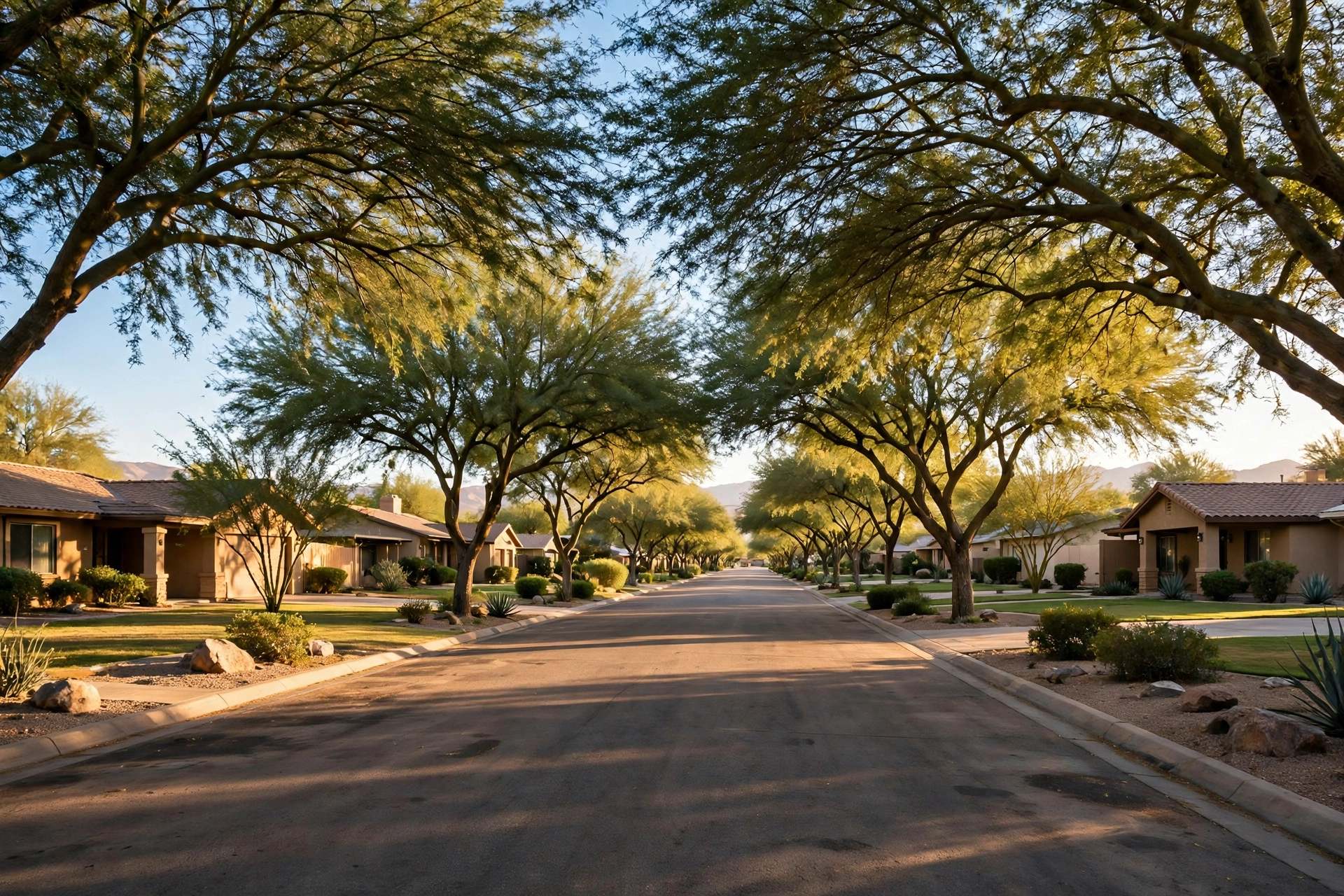
The city's housing shapes its water heater needs. Ocotillo and the newer tile-roof subdivisions are full of two-story homes where tanks often sit in the attic, while older Chandler streets near downtown still have garage installs from decades past. Every one of them contends with Valley hard water at 15 to 25 grains per gallon and summer heat that punishes tanks and thermostats alike. Annual maintenance is not a luxury here; it is how a tank survives to year ten instead of dying at year six.
Two-Story Homes and the Attic Tanks Above Them
In Chandler's master-planned communities, the water heater often lives in the attic, tucked above the garage or a hallway. Out of sight really does mean out of mind: attic tanks can develop slow leaks that soak insulation and drywall for weeks before anyone notices a stain on the ceiling below. If your home is two stories and you have never actually laid eyes on your water heater, it is time for an introduction.
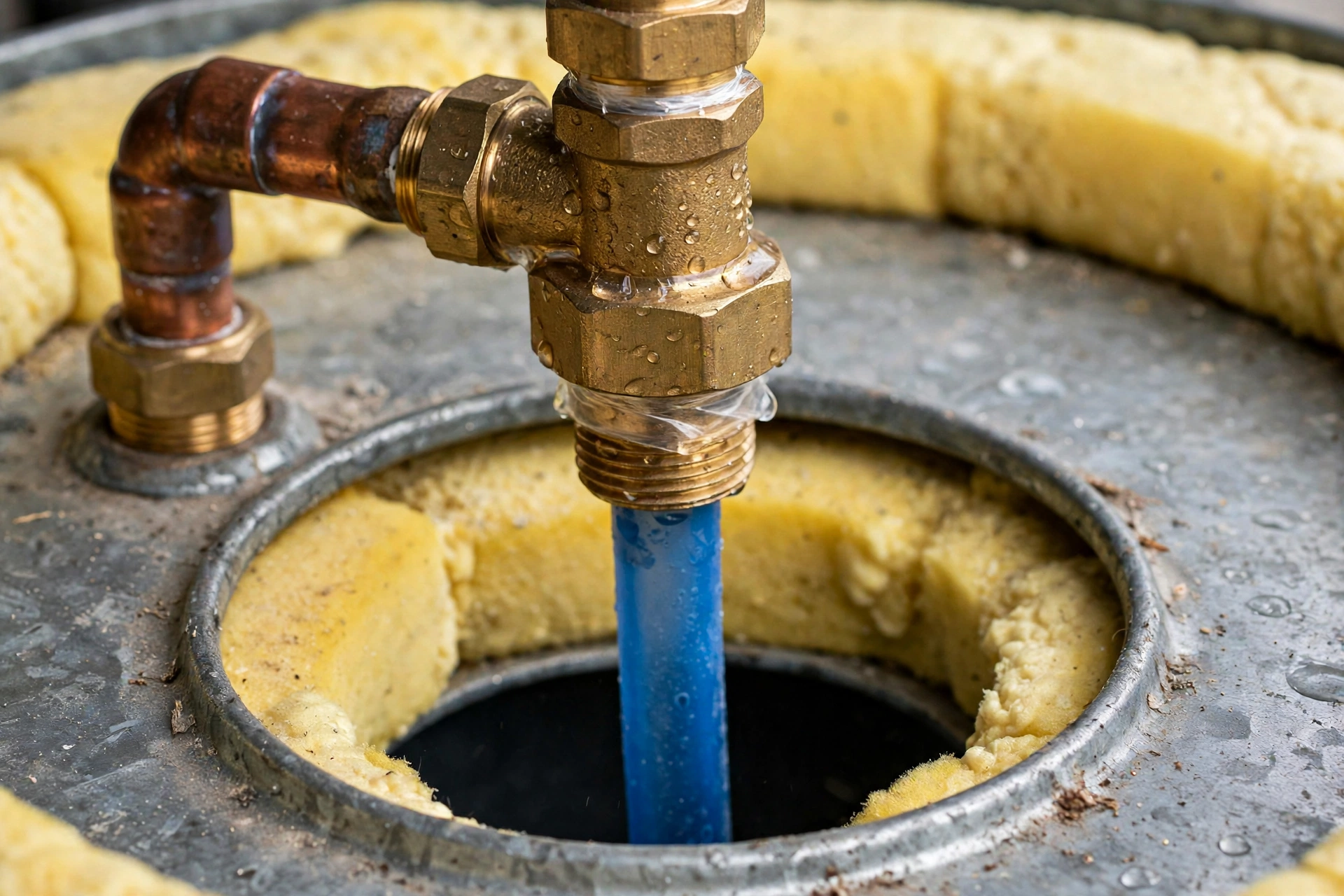
Attic installs demand a few non-negotiables. A drain pan under the tank, a drain line that actually drains somewhere, and secure strapping all matter more up there than they do in a garage. During any <a href="/water-heater-maintenance">maintenance visit</a>, ask the contractor to confirm the pan is dry, the drain line is clear of dust and debris, and the connections show no corrosion.
Replacement in an attic is more involved than a garage swap, which is one more reason to plan ahead. A contractor who has seen the setup before the emergency can quote the real scope, including any platform or access improvements, instead of improvising at midnight with water coming through the ceiling.
One more attic consideration is the access path itself. Pull-down stairs, tight hatches, and truss layouts can turn a simple service call into a difficult one if the opening is too small for the replacement tank. When planning ahead, confirm the new unit physically fits through the access, not just in the space. Contractors who measure both save everyone an unpleasant surprise on installation day. A quick photo of the access opening sent ahead of the visit lets the contractor confirm fit before loading the truck.

Ocotillo Subdivisions and Tile-Roof Realities
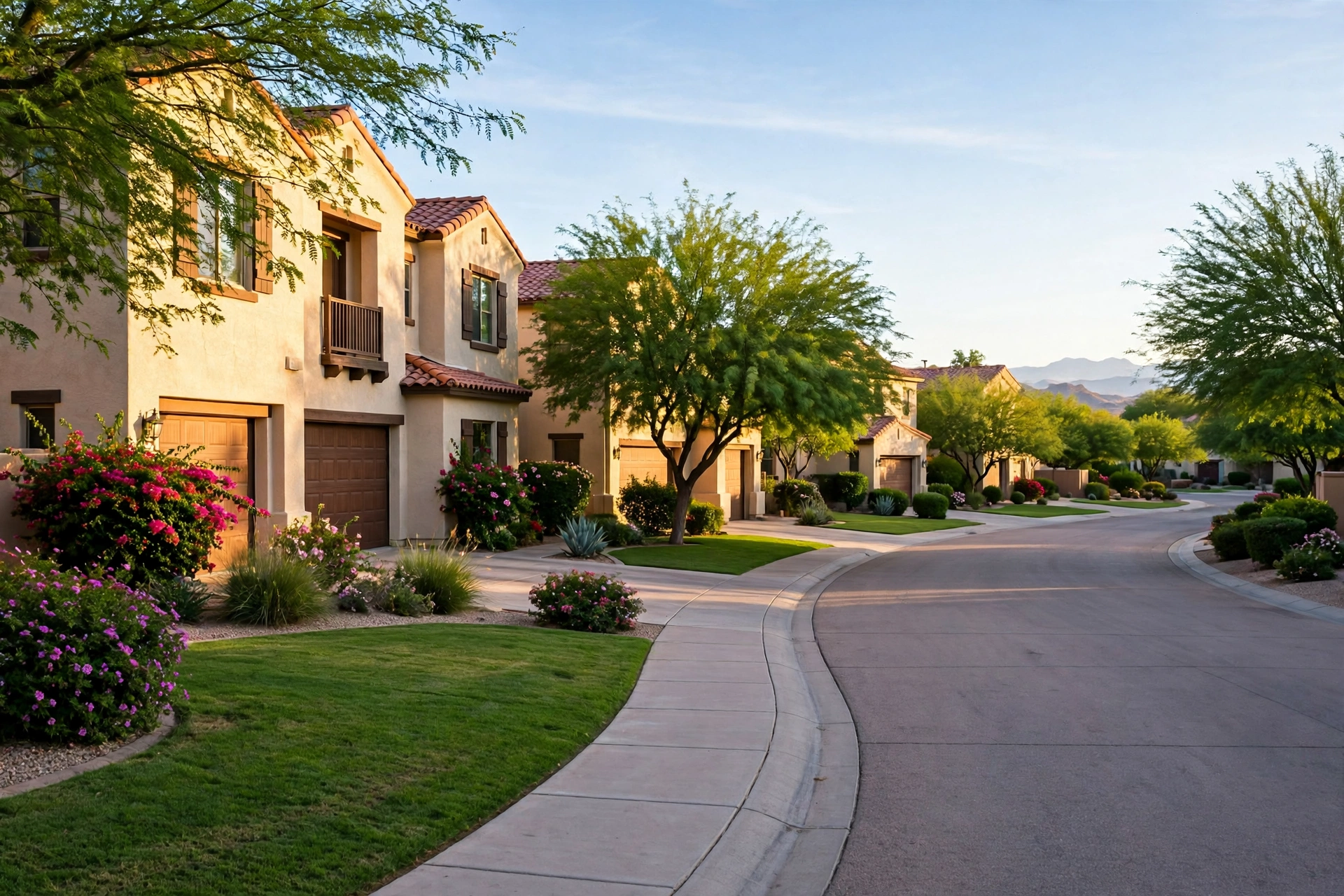
The Ocotillo area's tile-roof subdivisions look timeless, but their water heaters age like everything else in Arizona. Many of these homes were built in waves, which means whole streets have tanks hitting the 8 to 10 year mark at the same time. If your neighbors are replacing tanks, yours is probably on a similar clock, since the water and heat do not discriminate by address.
Tile roofs complicate venting work on gas units, because the vent flashing and roof penetration need a roofer's touch as well as a plumber's. When a gas water heater needs venting repairs or a full replacement, make sure the contractor's plan accounts for the tile. It is a solvable detail, but it is not a detail to discover mid-job.
Newer subdivisions also tend to have water softeners or at least softener loops, a nod to how hard the local water is. If your home has a softener, keep it maintained: softened water is dramatically easier on tanks and tankless units alike, and it is one of the best longevity investments a Chandler homeowner can make.
Repairs That Fit a Tech-Corridor Schedule
Nobody in Chandler wants to burn a vacation day waiting on a plumber. The most common water heater repairs, a failed thermostat, a burned-out element, a bad thermocouple, a worn gas valve, are typically diagnosed and fixed in a single visit, often in under two hours. When you call, describe the symptoms clearly: no hot water at all, lukewarm water, strange noises, or visible leaking. That helps the contractor arrive with the right parts.
Same-day service exists precisely for households that cannot reshuffle the week. Independent contractors serving Chandler offer <a href="/water-heater-repair">repair visits</a> that work around your calendar, and many problems found during a morning call are resolved before the afternoon school pickup.
For planned work like flushes or replacements, scheduling ahead lets you pick the day rather than taking whatever is open. A little planning turns water heater maintenance into a background errand instead of a crisis.
From Tank to Tankless in a Busy Household
Chandler's larger households, the ones with teenagers, home offices, and laundry that never ends, are prime candidates for tankless. A properly sized tankless unit delivers continuous hot water, ending the calculus of who showers when. For families tired of scheduling their mornings around a 50-gallon tank's recovery time, the upgrade changes daily life.
The switch involves real infrastructure questions. Gas tankless units need adequate gas line sizing and new venting; electric models need substantial electrical capacity. A good contractor starts with a sizing conversation based on your simultaneous hot water use, not a guess, and lays out exactly what the install requires in your specific home.
Hard water remains the fine print. At 15 to 25 grains per gallon, Chandler water will scale a tankless heat exchanger without regular descaling. <a href="/tankless-water-heater-installation-repair">Tankless services</a> here should always include a maintenance plan, and pairing the unit with water treatment is the move that protects the investment long term.
Households considering the switch should also think about simultaneous versus sequential use. Tankless shines when demand overlaps; a family that naturally staggers showers may do fine with a high-recovery tank at lower cost. An honest sizing conversation covers your real routine, peak and average, so you pay for capacity you will actually use rather than capacity that looks good on paper.
Rusty Water at the Tap: Reading What It Means
Hot water that runs rusty or discolored for a few seconds, then clears, usually points to the tank or the anode rod rather than the city supply. The anode rod is a sacrificial metal rod inside the tank that corrodes in place of the steel; when it is depleted, the tank itself starts rusting. In Chandler's aggressive water, anode rods can deplete faster than the national average.
If only the hot water is discolored and the cold runs clear, the water heater is the prime suspect. A contractor can check the anode rod during a flush visit and replace it if it is spent, which can buy the tank meaningful extra life. If both hot and cold run rusty, the issue may be in the home's pipes or the municipal supply, and that changes the diagnosis.
Do not ignore rusty hot water. It is the tank telling you, in the clearest terms it has, that its internal protection is failing. Caught early, it is a maintenance item. Caught late, it is a replacement.
Gas and Electric Units in Chandler Homes
Chandler has both gas and electric water heating, and each brings its own personality to maintenance. Gas units recover faster, a real advantage for big households, but they need clean burners, sound venting, and a healthy thermocouple or igniter. After monsoon dust season, burner assemblies often need attention, since fine grit disrupts clean combustion.
Electric units are simpler mechanically but live and die by their heating elements, which scale over aggressively in hard water. A failed lower element shows up as lukewarm water that never quite gets hot; a failed upper element means no hot water at all. Both are straightforward <a href="/electric-water-heater-services">electric water heater repairs</a>, and a diagnostic visit identifies the culprit quickly.
Whichever fuel your home uses, the label on the tank tells you the type, capacity, and age. Snap a photo of it and keep it on your phone. When you call for service, those three facts let the contractor give you a far more useful answer.
Monsoon Season and Venting You Should Not Ignore
Chandler's monsoon storms do more than knock over patio furniture. Dust infiltrates burner compartments and vent terminations, and the driving rain tests every roof flashing, including the one around your water heater vent. A partially blocked vent on a gas unit is a safety issue, not just an efficiency issue, because combustion gases need a clear path out.
After the storm season, walk around and look at the vent termination if you can see it safely from the ground. Anything visibly blocked, damaged flashing, or new rust streaks around the vent deserves a professional look. Inside, dust around the burner access panel is normal after a dusty summer; heavy soot is not, and it warrants a service call.
Humidity is the quieter monsoon effect. Weeks of damp air accelerate corrosion on older tanks and fittings, especially in garages. A quick visual check of connections for new rust or dampness in late summer catches the problems the storms started.
How Long Chandler Tanks Last, and How to Beat the Average
The honest local number is 6 to 10 years for a tank water heater in Chandler. Water hardness, garage or attic heat, and household demand all push toward the lower end; diligent maintenance pushes toward the upper end. There is no secret beyond that: the tanks that get flushed yearly and get new anode rods when needed simply outlive the ones that do not.
Beating the average starts with knowing your tank's age. Decode the serial number on the manufacturer's label, mark the install date somewhere you will find it, and set a yearly reminder for a flush. When the tank crosses year eight, shift from maintenance mode to planning mode: think about capacity, fuel type, and whether tankless fits your household.
The payoff for this attention is control. Homeowners who track their tank's age and condition replace on their own schedule, choose the unit they actually want, and never meet their water heater for the first time at 2 a.m. standing in an inch of water. If your tank is getting up there, a <a href="/water-heater-replacement">replacement consultation</a> while it still works is the calmest path forward.
Renters in Chandler's apartment and condo communities should know the same basics apply: report lukewarm water and strange noises early, and know where the building's shutoffs are. Property managers who schedule annual flushes across their units avoid the cascade of emergency calls that hits when a whole building's tanks age together. Prevention scales just as well as problems do.
Related: Water heater repair services, Tankless water heater services, Electric water heater services, Water heater repair in Tempe, Water heater repair in Gilbert
Water Heater Questions in Chandler?
Tell us what your unit is doing and where you are, and we will help arrange the next step.
My Chandler water heater is in the attic. Is that a problem?
It is common in two-story Chandler homes, but it needs the right safeguards: a drain pan, a clear drain line, and secure strapping. A leak in the attic damages ceilings quickly, so have the pan and drain checked yearly. Plan replacements ahead of time, since attic swaps are more involved than garage swaps.
How often should I descale a tankless unit in Chandler?
With local water at 15 to 25 grains per gallon, yearly descaling is the standard recommendation, and some households benefit from twice-yearly service. Scale buildup on the heat exchanger reduces efficiency and can trigger error shutdowns. Pairing the unit with a water softener stretches the interval and the unit's life.
Why does my gas water heater keep going out after dust storms?
Fine monsoon dust can clog the burner assembly and disrupt the pilot or ignition, and it can partially block venting. After a dusty stretch, the burner area may need cleaning for reliable operation. If outages keep happening after cleaning, the thermocouple or gas valve may need replacement.
Is a bigger tank always better for a large family?
Not always. A bigger tank helps with back-to-back demand, but recovery rate matters as much as capacity, and an oversized tank wastes energy keeping extra water hot around the clock. For very large households, a properly sized tankless unit or a high-recovery tank often serves better than simply jumping to the next tank size.
What does the anode rod actually do?
The anode rod is a metal rod inside the tank designed to corrode before the steel tank does, which is why it is called sacrificial. In Chandler's hard water it depletes faster than average. Checking it during annual flushes and replacing it when spent is one of the most effective ways to extend a tank's life.
Can I replace my water heater with the same model myself?
Water heater replacement involves gas lines or 240-volt electrical work, venting, pressure relief plumbing, and code requirements that vary by installation location. Mistakes risk gas leaks, scalding, flooding, or carbon monoxide issues. Having an experienced contractor handle the swap protects your home and keeps the installation up to code.
Water Heater Questions in Chandler, Answered
Not seeing your question? Request service and tell us what your unit is doing.
Request ServiceNearby East Valley Towns and Cities

 Hot Water, Handled
Water Heater Repair in Chandler
Valley Water Heater Pros connects Chandler homeowners with independent plumbing contractors who work around busy schedules and the city's distinctive housing. From the master-planned communities near the tech corridor to the Ocotillo area's newer tile-roof subdivisions, Chandler tanks face 15 to 25 grains per gallon of hard water and garage heat past 115 degrees, holding local lifespans to about 6 to 10 years. Contractors here handle same-day repairs, annual flushes, tankless upgrades, and full replacements.