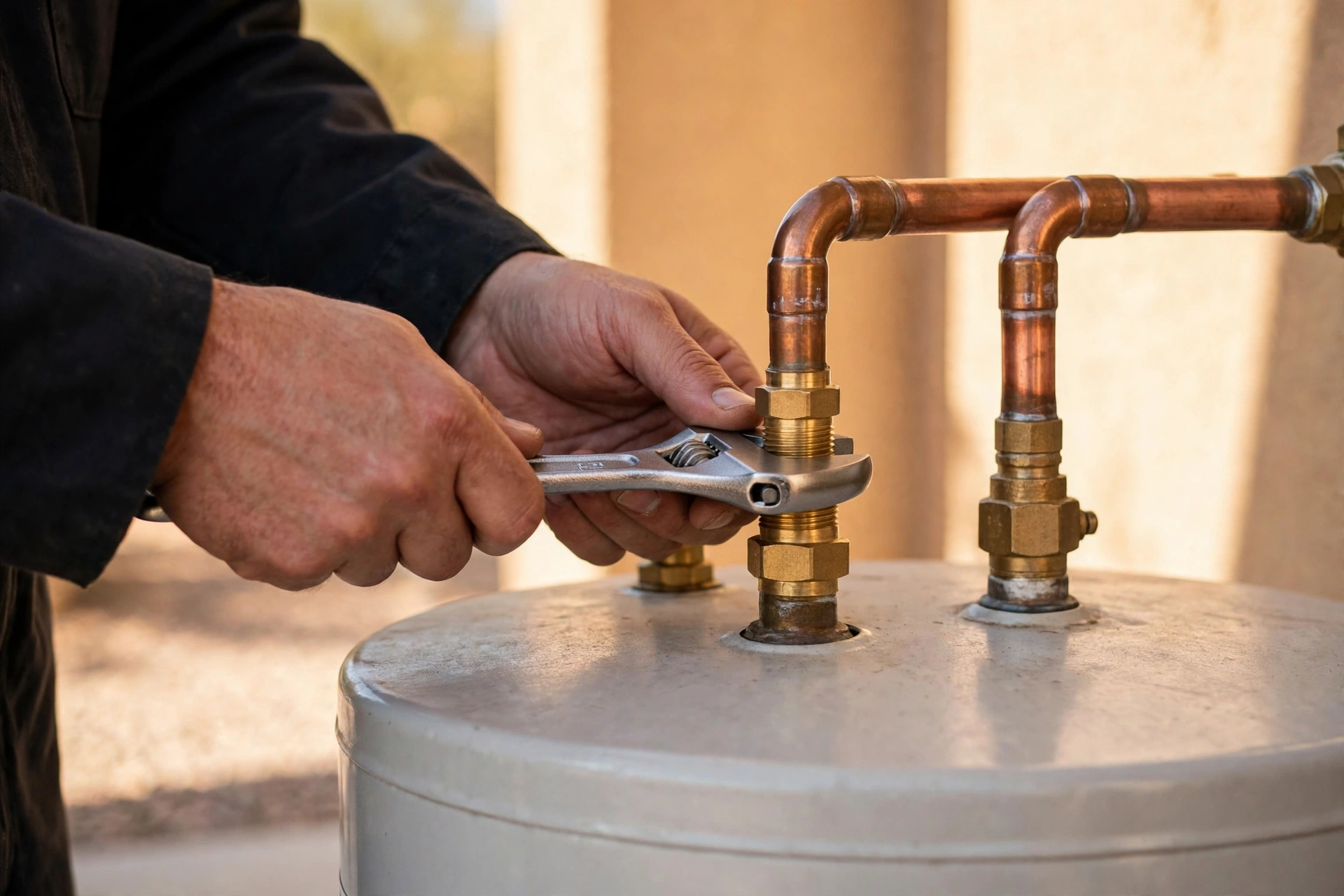
Water Heater Repair
Valley Water Heater Pros repairs gas and electric water heaters across Tempe, from failed heating elements to …
Learn moreElectric water heaters are the quiet majority in many Tempe neighborhoods. No combustion, no venting, no pilot light: just heating elements, thermostats, and a well-insulated tank doing their job. That simplicity makes them reliable and straightforward to service, which is exactly why so many homeowners choose them.
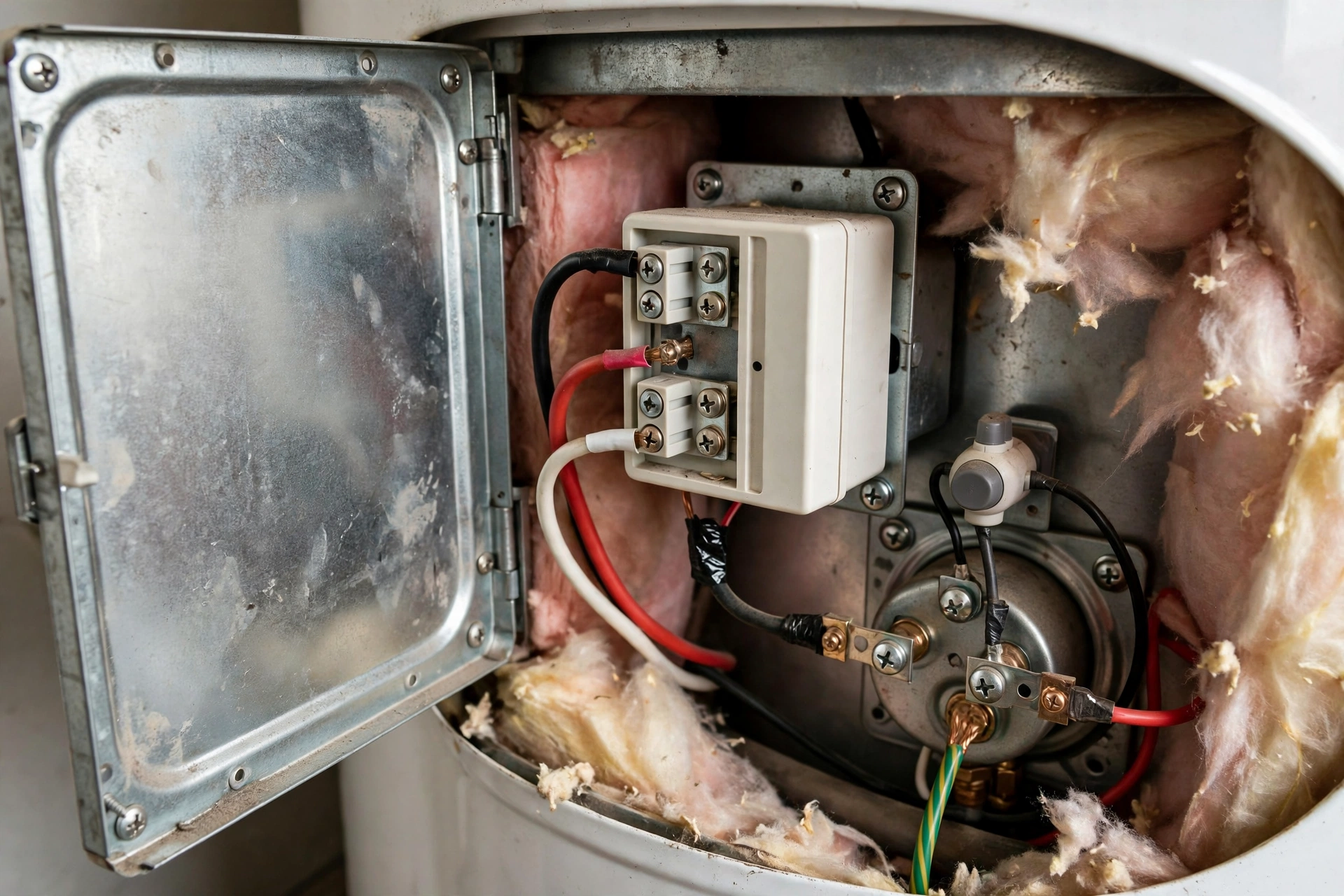
Simple does not mean maintenance-free. Tempe's 15 to 25 grains per gallon hard water is brutal on lower heating elements, sediment buries thermostats in misleading temperature readings, and electrical connections loosen under years of heat cycling. We service electric water heaters across Tempe with meter-based diagnosis that finds the failed part instead of guessing, and here is what electric ownership involves.
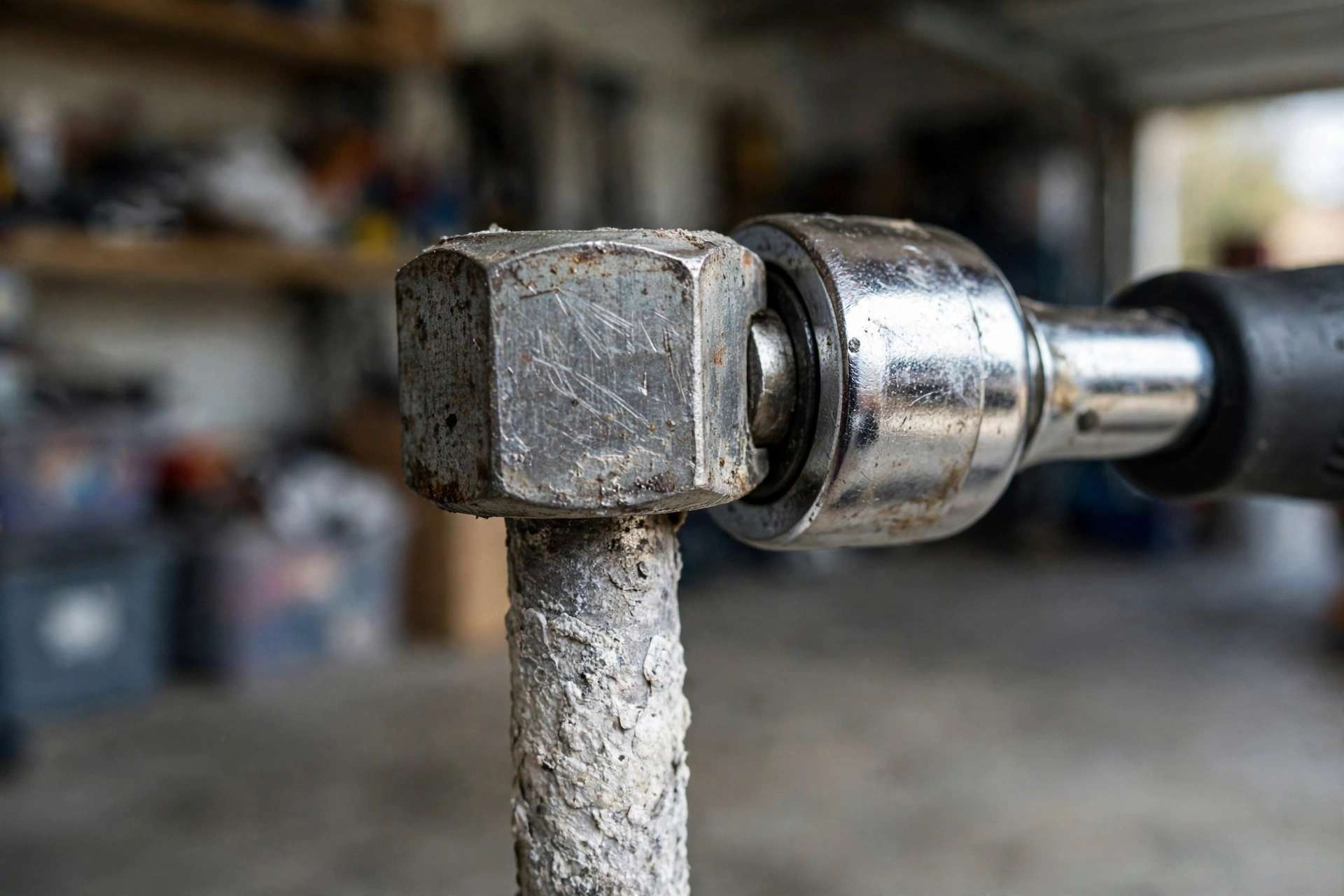
Every electric tank has two heating elements, upper and lower, and they fail in recognizable patterns. A failed upper element usually means no hot water at all, while a failed lower element gives you a short burst of hot water that turns lukewarm fast. Sediment is the usual killer, burying the lower element until it overheats and burns out.
We test both elements with a meter rather than replacing parts on suspicion, because thermostats and wiring cause identical symptoms. Replacement is straightforward: power off, tank drained below the element, old element out, new one in with a fresh gasket. We also check why it failed, because an element that died in heavy sediment will kill its replacement too unless the tank gets flushed. Element wattage and voltage must match the unit's design, and we verify both on every replacement. An incorrect element can overheat, trip breakers, or simply underperform. It is a detail that matters, which is why we check the rating plate rather than assuming the old element was correct.
Each element has its own thermostat, and the two must work as a team: the upper heats first, then hands off to the lower. When a thermostat sticks or drifts out of calibration, the symptoms mimic element failure, which is why meter testing both parts matters. Thermostats age together, so when one fails we inspect both. Replacing only the failed one while its partner drifts out of calibration invites a return visit within months. Checking the pair takes minutes and prevents the most common callback in electric water heater service. A thermostat stuck on can overheat water dangerously; one stuck off leaves you cold.
We set every electric unit to 120 degrees, the recommended balance of comfort, safety, and efficiency. Higher settings waste electricity, accelerate mineral precipitation onto elements, and raise scald risk. If your water runs far hotter or cooler than the dial suggests, the thermostat is lying to you, and replacement restores honest temperature control.
Related: electric water heater repair, Tempe electric service
The dip tube is a humble plastic pipe that carries incoming cold water to the bottom of the tank, keeping it away from the hot water drawn off the top. When it cracks or crumbles with age and heat, cold water mixes directly into the hot layer, and you get lukewarm showers from a tank that is technically full of hot water.
Dip tube failure is a classic misdiagnosis trap: the elements test fine, the thermostats are accurate, yet the water never gets properly hot. We check the dip tube whenever lukewarm symptoms persist with healthy electrics, and replacement is a quick job that instantly restores normal operation. It is a small part with an outsized effect on comfort. Dip tubes also fail in a sneaky secondary way: fragments of a crumbled tube can travel into hot water lines and clog faucet aerators and showerheads. If you are finding small plastic bits in your aerators along with lukewarm water, the dip tube is almost certainly the culprit. Replacing it solves both problems at once.
An electric water heater that keeps tripping its breaker is telling you something electrical is wrong, and repeatedly resetting the breaker is not the answer. Shorted elements, failing thermostats, loose wire connections, and undersized wiring can all cause trips, and each needs a different fix.
Our electrical check covers the full path: breaker sizing and condition, wire gauge and connection tightness at the unit, thermostat operation under load, and element resistance. Tempe garage heat accelerates the loosening of electrical connections through constant thermal cycling, so we pay special attention to terminal tightness. Electrical faults get fixed properly, not just reset.
Related: urgent electrical issues
Many Tempe homes have pressure regulators or backflow preventers that create a closed plumbing system, where heated water has nowhere to expand. Without an expansion tank to absorb that pressure, every heating cycle spikes system pressure, stressing the water heater, the TPR valve, and every fixture in the house.
We check for thermal expansion issues during service, especially when TPR valves drip or water pressure reads high. Installing or replacing an expansion tank is a modest job that protects the water heater and the whole plumbing system. If your home has a regulator at the meter, an expansion tank is not optional equipment, it is essential. Expansion tanks themselves need occasional attention. The internal air bladder can lose its charge over time, leaving the tank waterlogged and useless. During service we check the tank's air pressure and overall condition, because a failed expansion tank silently stops protecting your system while looking perfectly fine from the outside.
Electric water heaters are already efficient at turning electricity into hot water; the losses come from standby heat and scale. Annual flushing addresses the scale, keeping elements in clean contact with water instead of buried in insulating sediment. The 120 degree thermostat setting limits standby waste and slows mineral buildup simultaneously.
Between professional visits, listen for new rumbling, watch for changes in hot water duration, and keep the electrical disconnect accessible. Electric units ask little and give a lot when their two big enemies, sediment and neglect, are kept at bay. A yearly service visit handles both, and your elements will thank you with years of quiet operation. If your home has time-of-use electricity rates, an electric water heater pairs well with off-peak heating. Heating the tank during cheaper overnight hours and coasting through expensive afternoon peaks can trim costs without any comfort loss. We can discuss timer options during a service visit if your rate plan makes it worthwhile.
Related: annual electric maintenance, serving Tempe, Arizona
Describe what your unit is doing and we will help arrange the next step.
A shorted heating element is the most common cause, but loose wiring connections, a failing thermostat, or an undersized breaker can do it too. Resetting the breaker repeatedly without fixing the cause risks damage. We test the full electrical path with a meter to find the actual fault.
By symptoms you can guess: no hot water points to the upper element or thermostat, while water that runs out fast points to the lower ones. For certainty, meter testing distinguishes element failure from thermostat failure, since both produce similar symptoms. We test before replacing anything.
The dip tube directs incoming cold water to the tank bottom so it does not mix with hot water at the top. When it breaks, cold water mixes in and every shower runs lukewarm even though the elements work fine. Persistent lukewarm water with healthy electrics is the classic sign.
If your home has a pressure regulator or backflow preventer creating a closed system, yes. Heated water expands and needs somewhere to go; without an expansion tank, pressure spikes stress the heater and plumbing. Dripping TPR valves and high pressure readings are the usual clues.
It depends on local utility rates and your usage patterns. Electric units convert electricity to heat very efficiently but recover more slowly, while gas heats faster. In Tempe garages where standby loss is minimal, the difference often comes down to rate structures. We help you compare honestly for your household.
Eight to 12 years is typical, with Tempe hard water favoring the lower end for neglected units. Annual flushing and element-friendly maintenance push electric tanks toward the top of that range. The electrical components are durable; sediment and tank corrosion are what usually end the unit's life.
Not seeing your question? Request service and describe what your unit is doing.
Request ServiceValley Water Heater Pros repairs gas and electric water heaters across Tempe, from failed heating elements to …
Learn more
A new water heater installation in Tempe starts with sizing the tank to your household and choosing between ga…
Learn more
Water heater replacement makes sense when your tank is past its prime, leaking from the tank body, or costing …
Learn more