Monsoon Season Water Heater Tips for Tempe
Monsoon season brings the year's toughest conditions for a Tempe water heater: wind gusts that blow out pilot …
Learn moreWater heaters rarely fail without warning. They broadcast their decline for months through noises, discolored water, and small damp spots that are easy to dismiss. In Tempe, where hard water and garage heat age tanks faster than the national average, learning these signals can save you from a flooded garage and a rushed decision.
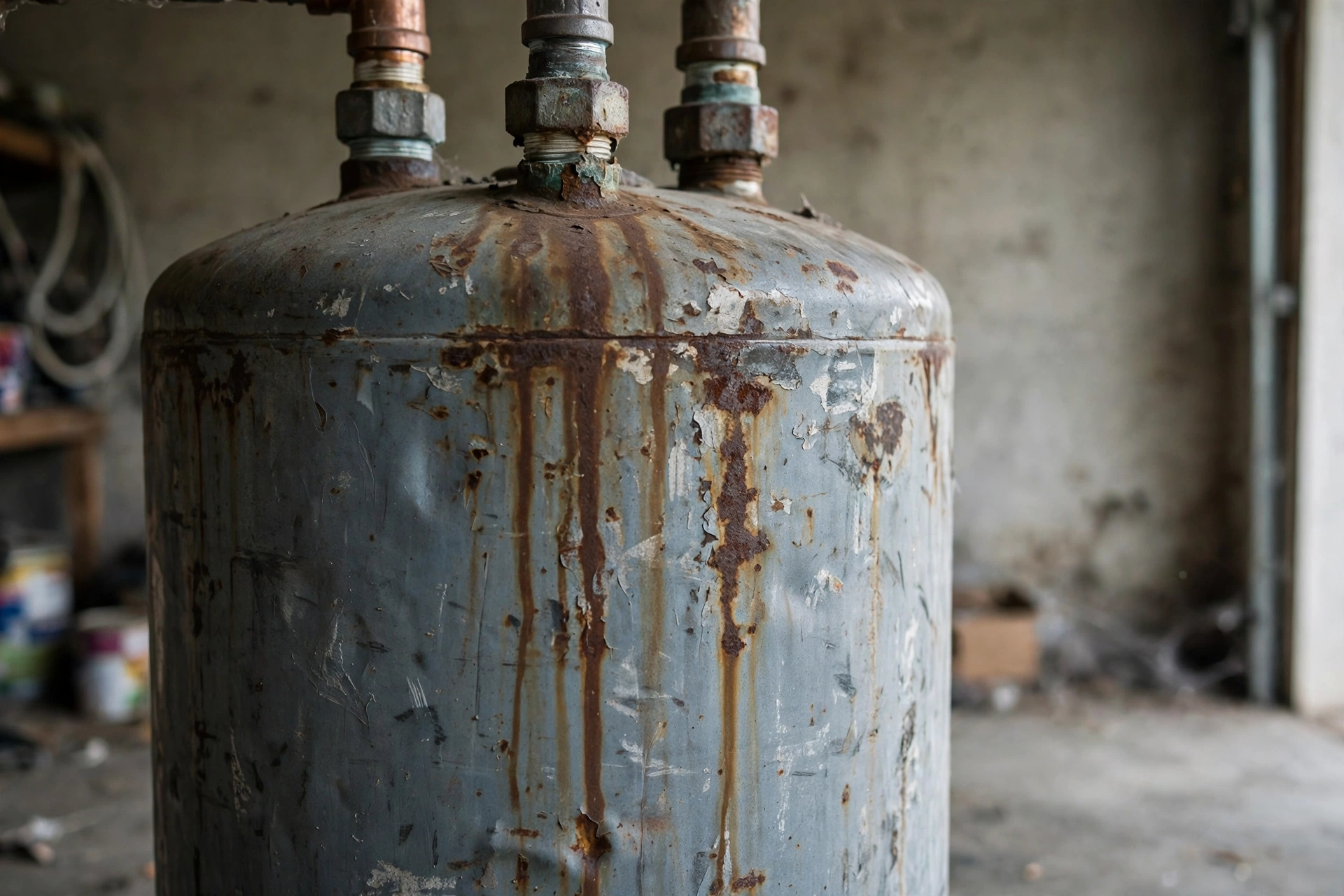
This guide covers the signs that mean repair is still sensible and the signs that mean replacement is the smarter money. The goal is simple: you should choose your next water heater deliberately, not at midnight with water spreading across the concrete.
In Arizona, a tank water heater's realistic life is 6 to 10 years. Once a unit passes eight years, every additional year is borrowed time, especially if maintenance has been spotty. The steel tank is thinner than it was, the anode rod is likely depleted, and the glass lining has endured thousands of heating cycles in very hard water.
Check the manufacturer's label on your unit for its age; the serial number usually encodes the manufacture date. If you cannot find it or the math says eight plus years, start planning your water heater replacement. Our guide on how long water heaters last in Arizona breaks down the lifespan factors in detail and is worth a read while you are thinking ahead.
Related: how long water heaters last in Arizona, water heater replacement
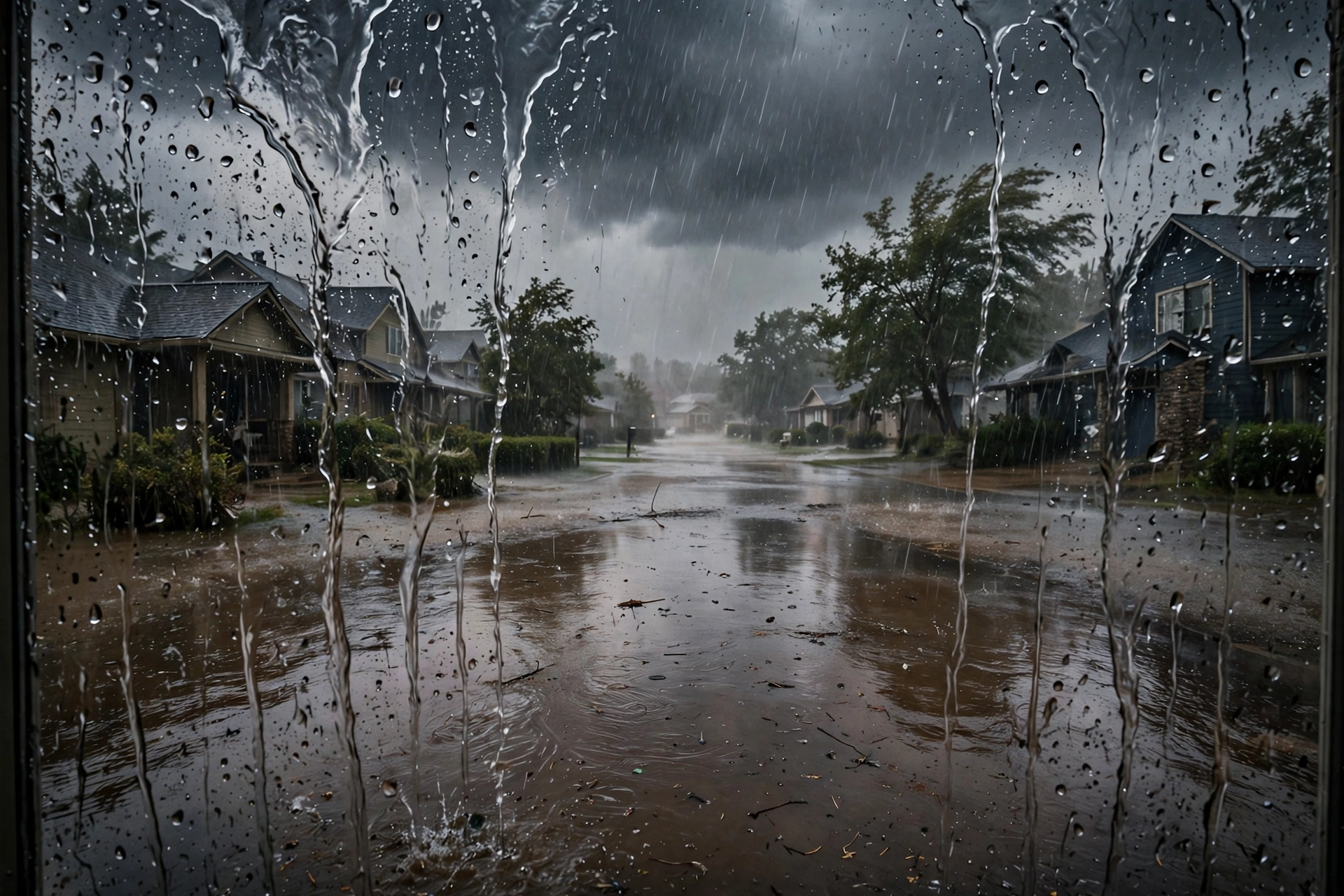
Rusty water from hot taps only, while cold water runs clear, points to corrosion inside the tank. The glass lining has failed somewhere and the steel is rusting into your water supply. This is one of the most reliable replacement signals there is, because internal corrosion does not reverse.
Do not confuse this with a brief rusty burst after the water has sat unused, which can come from old galvanized pipes. If the discoloration is consistent and limited to hot water, the tank is telling you its condition plainly. A water quality check can confirm the source, but the tank is the usual suspect.
If only the cold water is discolored, the water heater is probably innocent and the issue lies in the supply pipes. If both hot and cold run rusty, the problem may be the municipal supply or old galvanized plumbing. The hot only pattern is the one that condemns the tank.
A healthy water heater is nearly silent. Rumbling or popping during heating means sediment has built up on the tank bottom and trapped water is flashing to steam underneath it. In Tempe's 15 to 25 grains per gallon water, this can develop in just a few years without flushing.
On an older unit, these noises mean the tank bottom has been overheating for a long time, flexing with every cycle and stressing the lining. Flushing may help a younger tank, but on a unit past eight years, heavy sediment plus noise usually means the damage is done and replacement planning should start now.
You can sometimes buy time on a noisy younger tank with a thorough flush, which removes the sediment causing the steam pops. But if the noises return within months, the sediment is reforming fast or the tank bottom is already damaged, and both point toward planning a replacement rather than flushing forever.
Any moisture around the base of the tank deserves immediate attention. Small weeps from the tank body or seams mean the steel has corroded through, and tank body leaks cannot be repaired reliably. What starts as a damp spot can become a full tank failure with little warning.
Distinguish tank leaks from fitting leaks: water at the top fittings or the drain valve is often repairable, while water from the tank body is terminal. Our guide on what to do when your water heater is leaking in Tempe walks through finding the source and shutting things down safely, which is the right first move in either case.
Related: what to do when your water heater is leaking in Tempe
A water heater working harder than it used to is a water heater nearing the end. Sediment insulation forces longer burner cycles, a failing lower element on electric models cuts capacity, and general wear reduces efficiency across the board. If recovery after showers keeps getting slower, the unit is losing the fight.
This is also the moment to think about what comes next rather than just what is failing. Many Tempe homeowners use a replacement as the chance to consider a tankless system, and our tank versus tankless comparison for Arizona lays out how the two options handle hard water, garage installs, and long term value.
Replacing before failure is one of the smartest home decisions you can make. You get to research models, decide between tank and tankless without pressure, and schedule the installation at a convenient time. Emergency replacements always cost more in stress, even before considering after hours timing.
Start with an honest assessment of your current unit's age and symptoms, then get a professional opinion on sizing. A correctly sized unit, installed with proper venting and a drain pan, will serve your home far better than a rushed same for same swap chosen in a panic.
When you do replace, bring the lessons of the old unit with you. If hard water killed the last tank early, commit to annual flushing on the new one from day one. If the old unit was undersized for your household, size up the replacement so the new tank is not constantly playing catch up.
Read the guide, then describe your water heater problem and we will help arrange the next step.
Age past 8 to 10 years plus any symptom is the clearest signal. Rusty hot water, rumbling noises, base leaks, and slow recovery each point toward replacement rather than repair.
Sometimes. Fitting leaks, thermocouples, and heating elements are worth fixing on mid life units. But tank body leaks and widespread corrosion on an old tank mean replacement is the sensible choice.
Yes, if it is past eight years in Arizona conditions. Proactive replacement lets you choose the model, compare tank and tankless calmly, and schedule the work when it suits you.
How to read the signs and time your replacement right.
Request ServiceMonsoon season brings the year's toughest conditions for a Tempe water heater: wind gusts that blow out pilot …
Learn more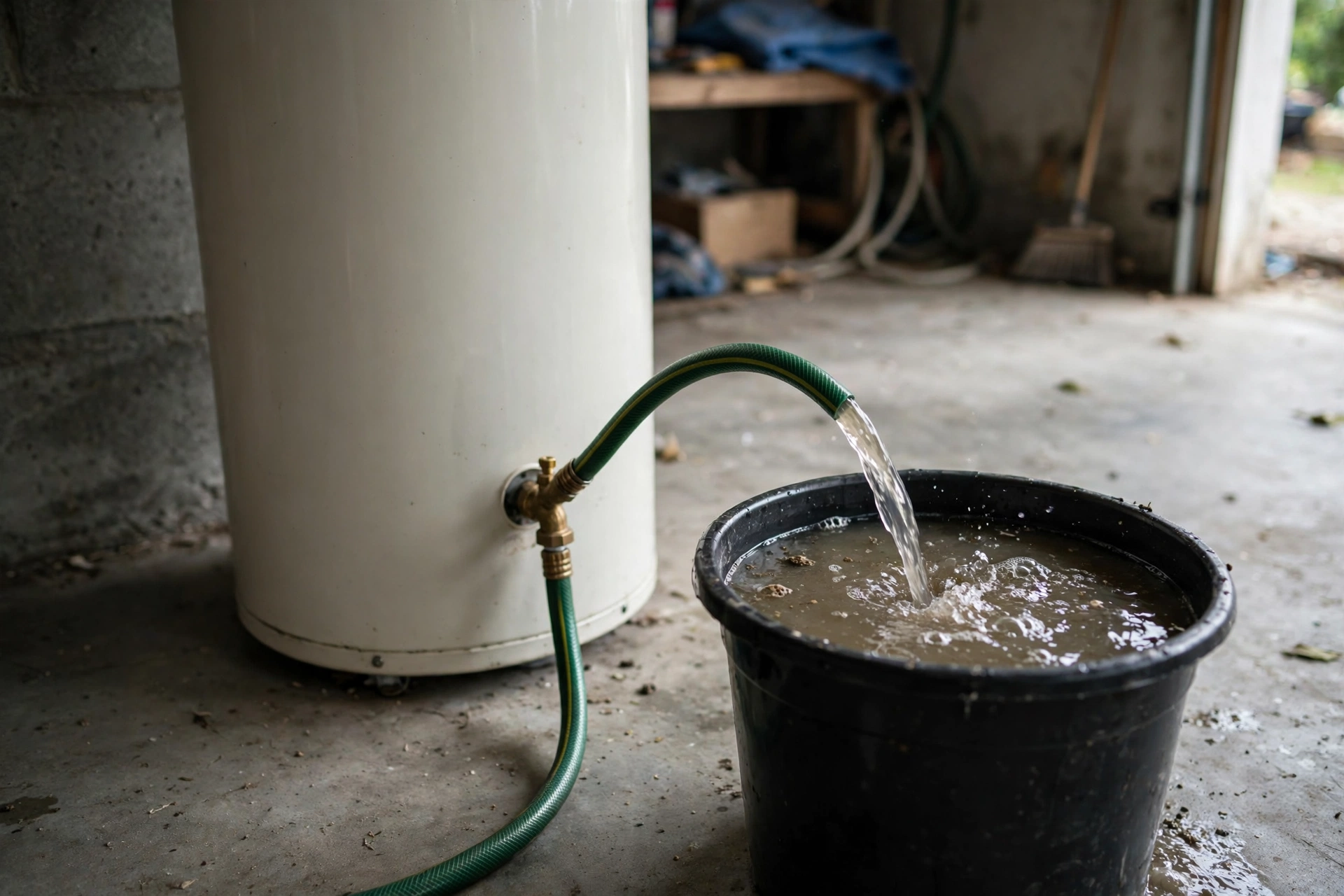
Because Tempe water measures 15 to 25 grains per gallon, sediment builds up far faster here than in most of th…
Learn more
Losing hot water in Tempe usually traces back to a handful of causes: a pilot light that went out, a failed th…
Learn more