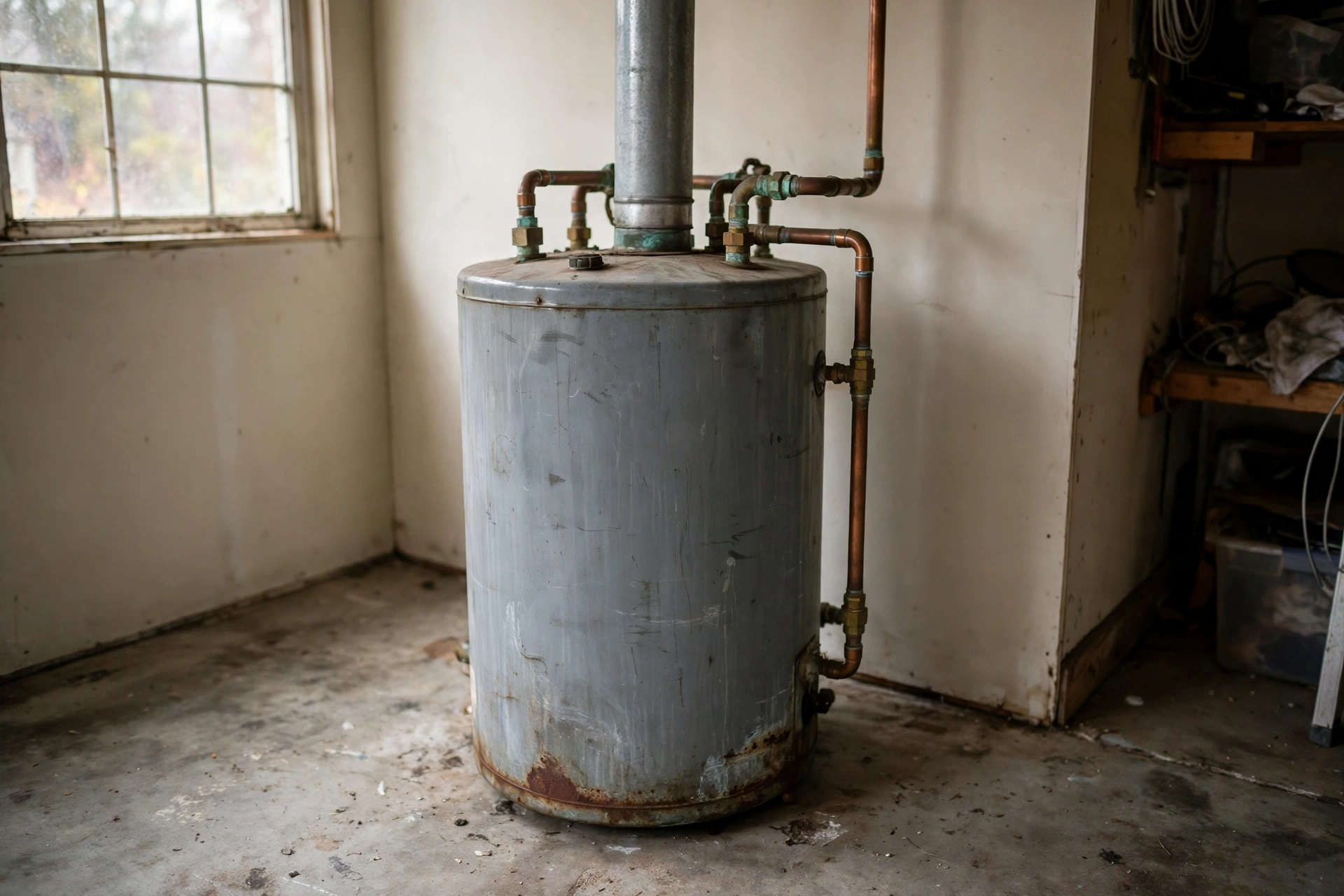
How Long Water Heaters Last in Arizona
A traditional tank water heater in Arizona usually lasts 6 to 10 years, while a tankless unit can reach 15 to …
Learn moreEvery summer, usually from June through September, the Valley's monsoon season rolls in with towering dust walls, sudden downpours, and wind gusts that rattle garage doors. Your water heater, sitting out in the garage, feels all of it. Monsoon related service calls spike every year, and most of them are preventable.
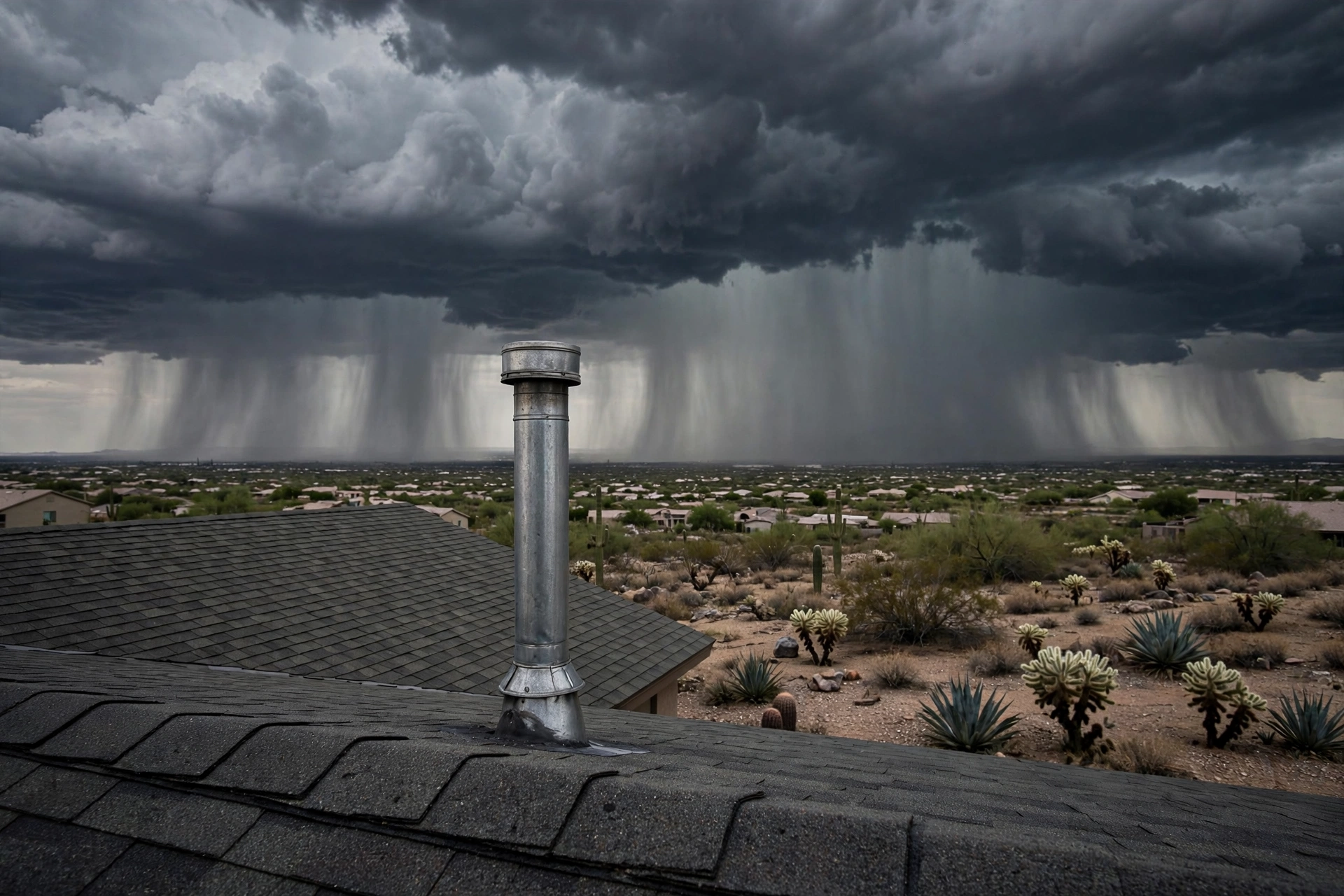
This guide covers what monsoon season does to water heaters and the simple checks that keep yours running through the storms. A little preparation before the season beats a cold shower after a haboob every time. Dust walls can drop visibility to near zero on Valley freeways, and the same storm that strands commuters is battering the vent cap on your garage roof.
The number one monsoon water heater complaint is the pilot light going out. Strong gusts push through garage vents, under garage doors, and around loose vent caps, and a direct blast can snuff a pilot flame. If your hot water disappears after a windy night, the pilot is the first thing to check.
A pilot that goes out once in a storm is just bad luck. A pilot that goes out repeatedly may have a weak thermocouple that a healthy flame would normally overcome, with the wind just exposing the weakness. Our separate guide to pilot light problems in Tempe covers the full diagnosis, including when a thermocouple replacement is the real fix.
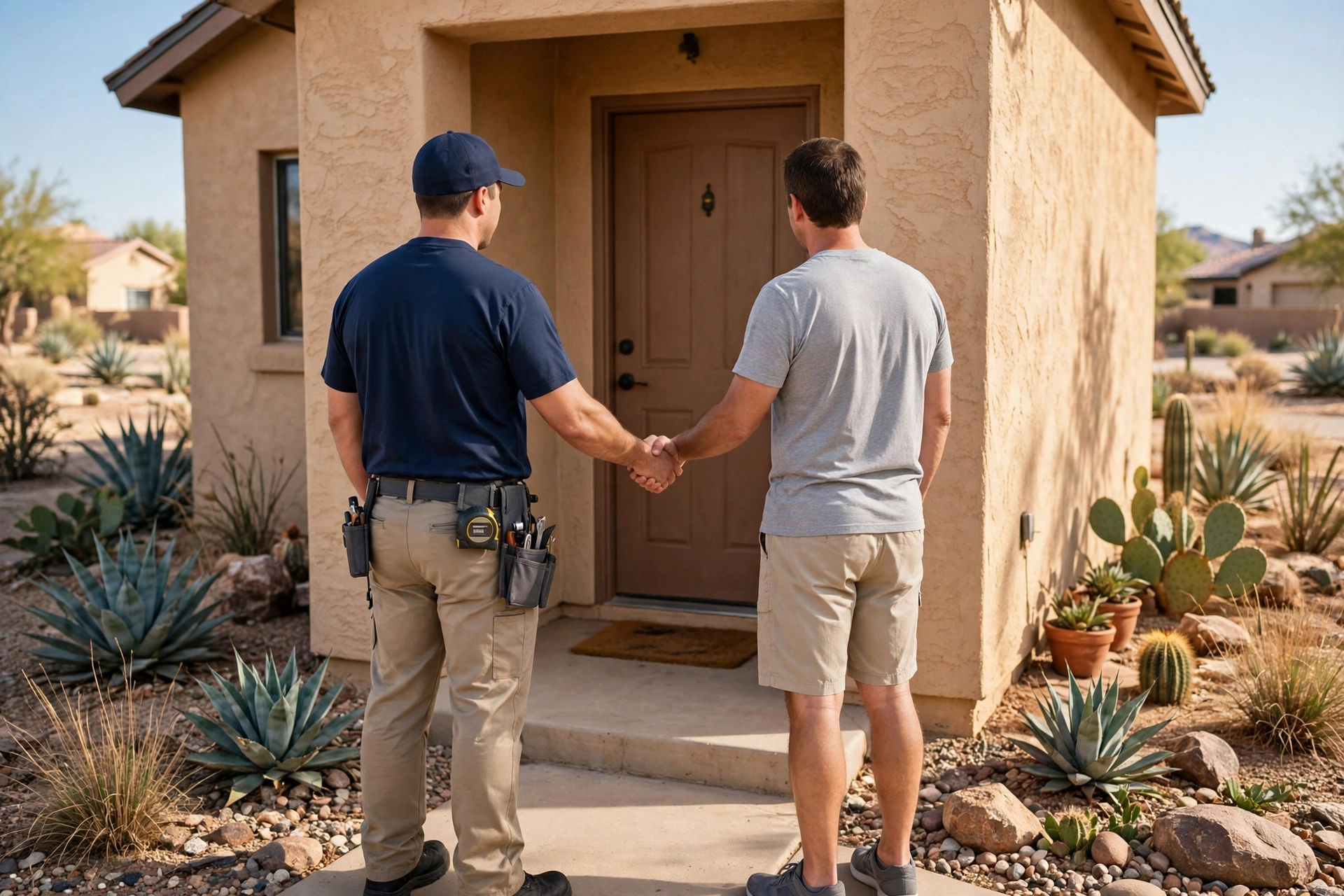
Haboobs do not just coat cars; they push fine dust into every garage in Tempe. That dust settles on burner assemblies, pilot orifices, and air intakes. A dust choked pilot burns weak and yellow instead of strong and blue, which can cause exactly the pilot failures described above, even without wind.
After major dust events, it is worth checking that the area around the water heater is reasonably clean and the combustion air path is clear. If the pilot flame looks weak or the burner sounds different, a professional cleaning of the pilot assembly and burner is a quick fix that restores reliable operation. Since garage water heater installs in Arizona heat face this dust load constantly, the cleaning matters more here than in cleaner indoor setups.
Monsoon humidity is a shock after months of dry desert air. Moisture condenses on cool pipes and tank surfaces in the garage, and that surface moisture accelerates external corrosion on fittings, valves, and the tank jacket. It also finds its way into electrical connections on electric models.
The defense is airflow and attention. Do not stack boxes tight against the unit where moisture gets trapped. Glance at fittings and the base of the tank during the season for new rust or damp spots. Catching external corrosion early is far cheaper than discovering it has been quietly working for months.
Electric models deserve a little extra attention during humid months. Moisture can creep into thermostat access panels and junction boxes, so make sure covers are seated properly and seals are intact. A quick look twice a season is enough to catch anything before it becomes a problem.
Monsoon storms cause the power flickers and brief outages that are a fact of Valley summer life. Electric water heaters usually ride these out, but a flicker can trip a breaker or the high limit reset switch, leaving you with no hot water and no obvious cause.
If an electric unit stops heating after a storm, check the breaker panel first, then the reset button behind the upper access panel. Both are simple homeowner checks. For a fuller rundown of suspects, our guide to no hot water causes and fixes in Tempe walks through the checklist in order. If the unit keeps tripping after being reset, stop resetting it and call for professional electric water heater services, because repeated trips signal an underlying electrical or thermostat problem.
Related: no hot water causes and fixes in Tempe, electric water heater services
A short checklist before the season starts prevents most monsoon headaches. Walk through it in June and your water heater will be ready for whatever the summer throws at it.
After a major storm, take two minutes in the garage. Check that the vent cap is still in place, look for new water on the floor, and confirm the unit is heating normally. If the pilot went out, relight it following the instructions on the unit, and watch whether it holds.
Storms are also a good reminder that sediment keeps building regardless of the weather. If your tank has not been flushed in the past year, monsoon season is a fine time to schedule it. Our guide to flushing a water heater in Tempe hard water explains why annual flushing matters so much in 15 to 25 grains per gallon water.
Keep the checklist somewhere you will actually see it, like taped inside a garage cabinet door. Monsoon season arrives every year, and the homeowners who sail through it are the ones who spent twenty minutes preparing in June rather than an evening mopping in August.
Read the guide, then describe your water heater problem and we will help arrange the next step.
Yes. Gusts through garage vents and under garage doors are the top cause of pilot outages in summer. Relight following the unit's instructions, and call a pro if it keeps happening.
Dust clogs pilot orifices and burner air intakes, causing weak flames and pilot failures. Keep the area around the unit clean and have the pilot assembly serviced if the flame looks weak or yellow.
Inspect the vent cap, confirm a clean blue pilot flame, clear storage away from the unit, check the drain pan, and know where your shutoffs are. A professional tune up covers all of this at once.
Keeping your water heater steady through Valley storm season.
Request ServiceA traditional tank water heater in Arizona usually lasts 6 to 10 years, while a tankless unit can reach 15 to …
Learn more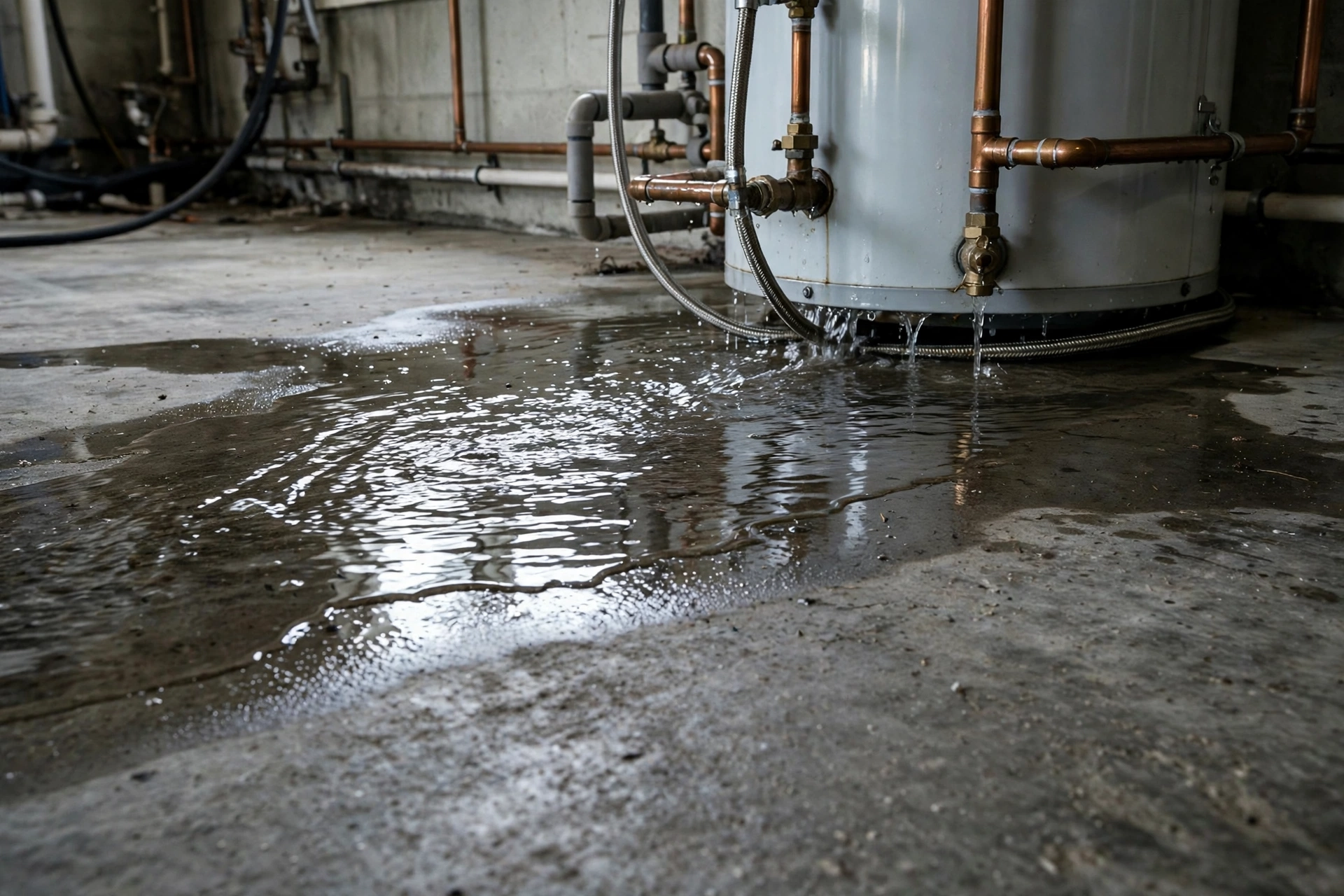
A leaking water heater in Tempe needs fast action because most units sit in garages where water spreads quickl…
Learn more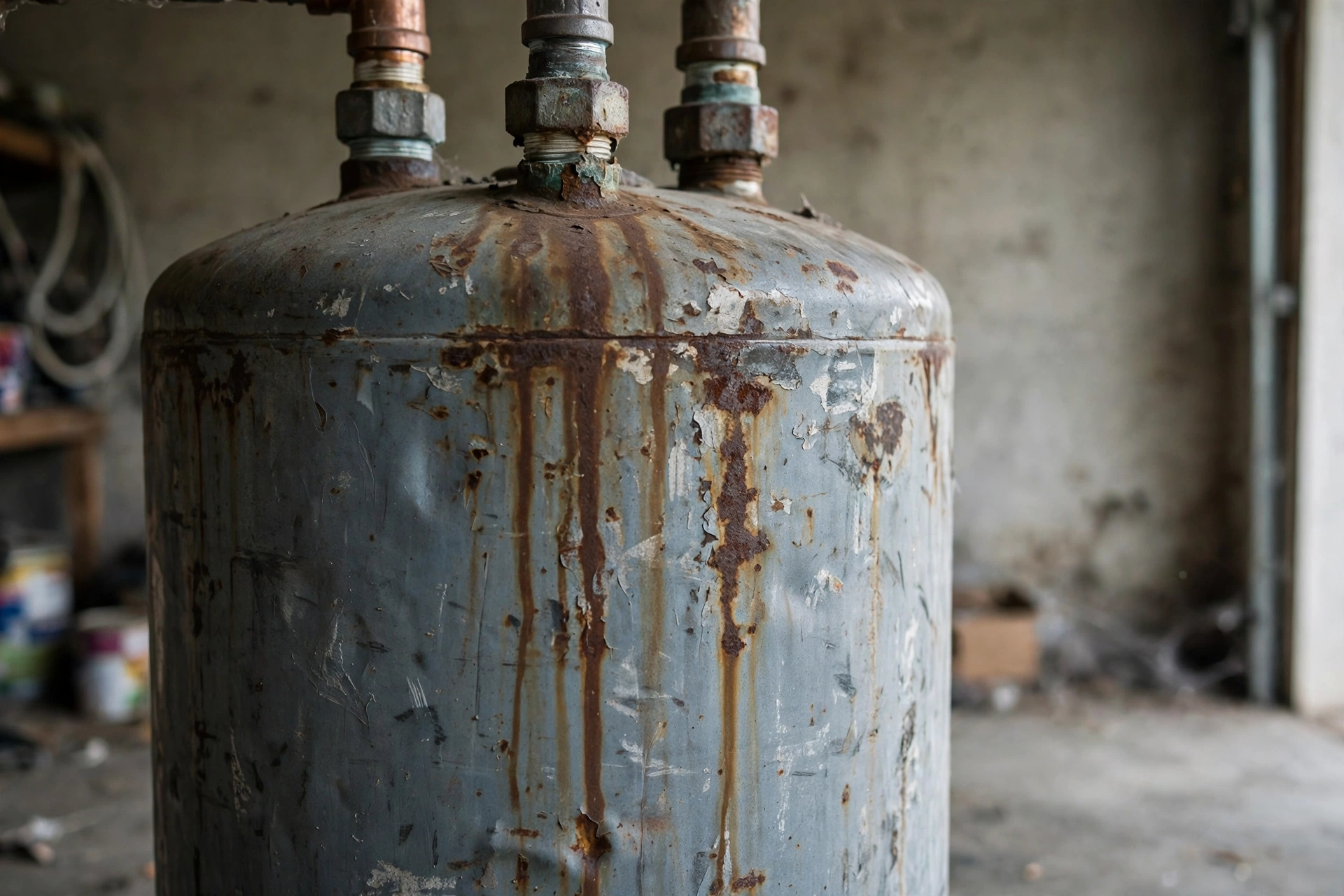
The clearest signs a Tempe water heater needs replacement are age past 8 to 10 years, rusty water from hot tap…
Learn more