Pilot Light Won't Stay Lit in Tempe
A pilot light that will not stay lit on a Tempe water heater is most often caused by a failed thermocouple, a …
Learn moreWater on the garage floor around your water heater is one of those sights that ruins a morning. In Tempe, where most water heaters live in the garage, even a slow leak can soak drywall, ruin boxes of storage, and grow mold in the summer heat. The good news is that not every leak means a new water heater.
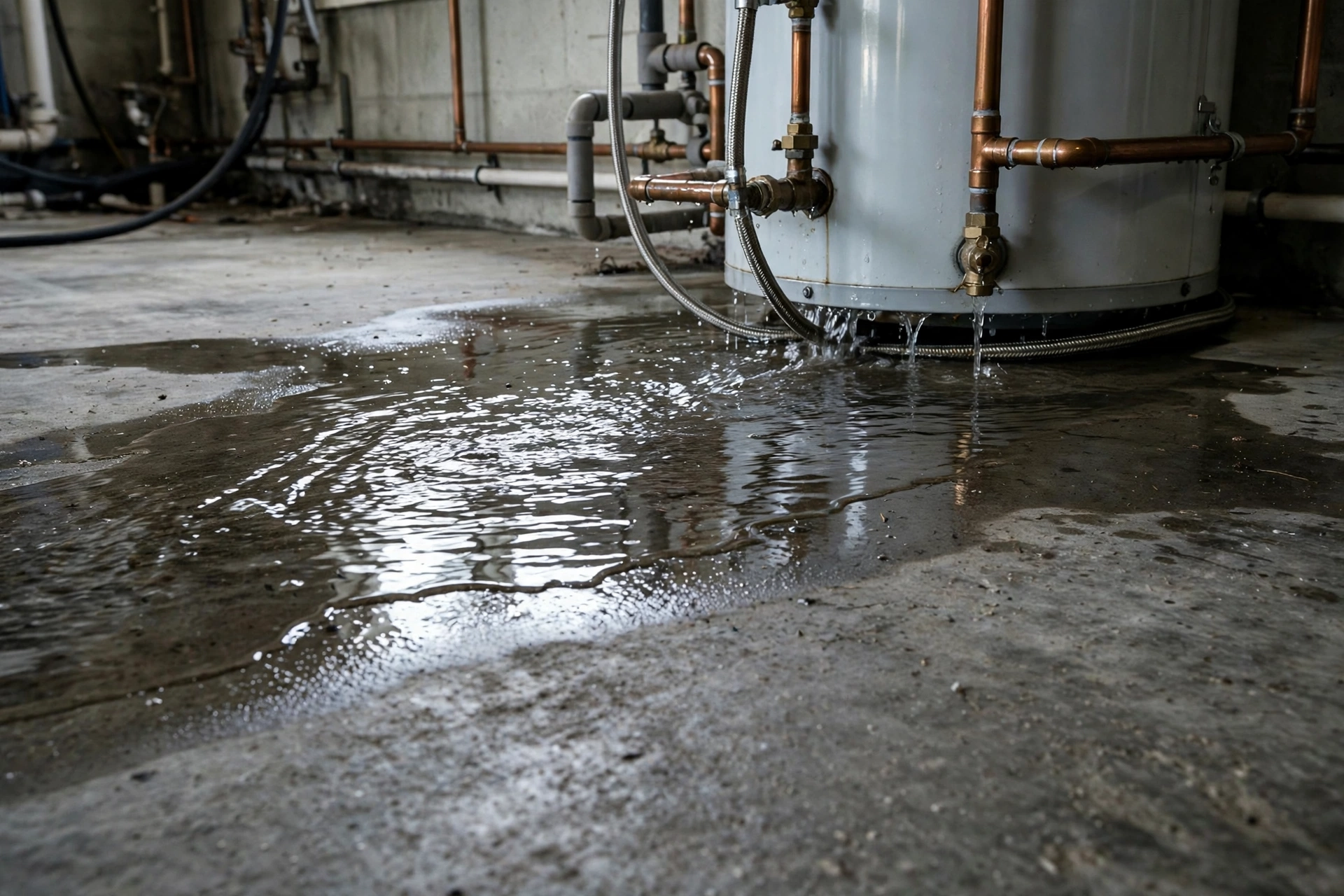
What matters is where the water is coming from. A drip at a fitting is a repair. A weep from the tank seam is a countdown. This guide walks you through finding the source, shutting things down safely, and knowing which leaks are fixable and which ones mean it is time to shop for a replacement.
Stay calm and stay safe. If there is a lot of water, avoid stepping in it near an electric unit until the power is off. Turn off the cold water supply valve above the heater to stop feeding the leak, then shut off power at the breaker for electric models or turn the gas control to pilot or off for gas models.
Next, try to trace the water to its highest point. Water runs downhill, so the actual leak is always above the puddle. Dry the area with towels, then watch for where moisture reappears. Check the top fittings, the temperature and pressure relief valve discharge pipe, the drain valve, and the base of the tank, in that order. Taking a quick photo of where the water first appears can also help the technician diagnose the problem faster when they arrive.
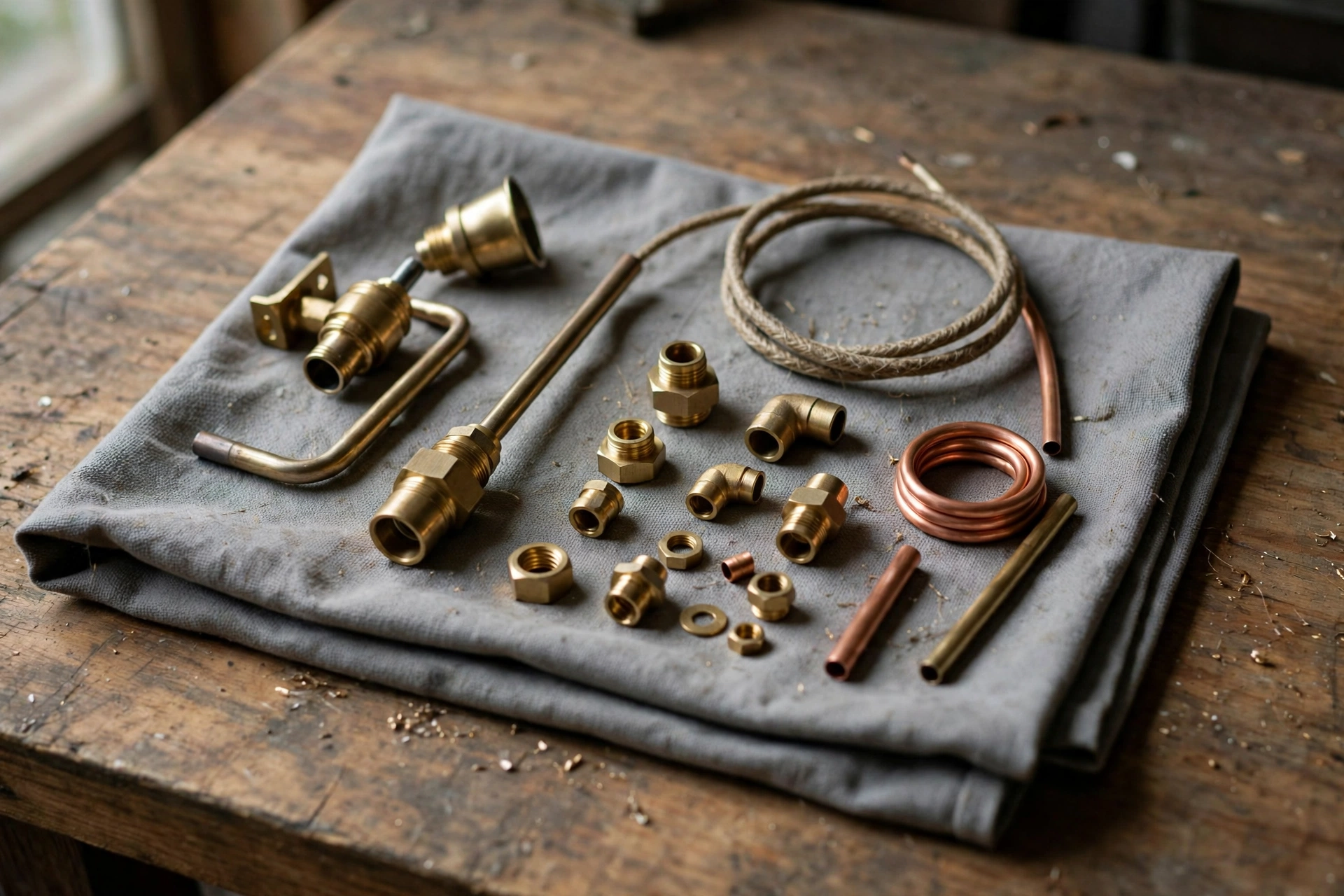
Water at the top of the unit is often good news. Loose or corroded inlet and outlet fittings can drip and be tightened or replaced. A temperature and pressure relief valve that is weeping may just need replacement, though it can also signal excess pressure that deserves investigation.
The drain valve at the bottom of the tank is another common drip point, especially on older units where the plastic valve has aged. A technician can often swap a faulty drain valve without replacing the whole heater. These are the leaks where prompt water heater repair saves the unit, so do not ignore a small drip just because the tank itself looks fine.
Related: water heater repair
Water seeping from the tank body, a seam, or the base is the verdict no homeowner wants. It means the steel has corroded through the glass lining, and in Tempe's 15 to 25 grains per gallon water, that corrosion is usually widespread rather than a single pinhole. Patching is not a real option; the next leak is already forming nearby.
Rusty water from hot taps plus moisture at the base is the classic end of life picture for a tank that has served 6 to 10 years. If your unit matches that description, our guide on the signs it is time to replace your water heater will confirm what you are seeing and help you plan the replacement calmly instead of in crisis mode.
The temperature and pressure relief valve is your water heater's safety release. If pressure or temperature climbs too high, it opens and dumps water through a discharge pipe. When homeowners see water from that pipe, they sometimes assume the valve is broken, but it may be doing exactly what it was designed to do.
A TPR valve that keeps discharging needs professional diagnosis. The cause could be a failed valve, a waterlogged expansion tank, or excessive pressure from the municipal supply. Replacing the valve without finding the cause just resets the countdown, so treat a discharging TPR valve as a symptom worth investigating, not just a part to swap.
In colder states, water heaters often sit in basements with floor drains nearby. In Tempe, they sit in garages where a leak spreads across concrete toward drywall, storage, and sometimes into the house. Summer heat past 115 degrees then turns that damp drywall into a mold risk within days.
This is one reason a drain pan with a proper drain line matters so much for garage installs. If your unit does not have one, adding it during the next service visit is cheap protection. A pan will not save a failed tank, but it can be the difference between a contained drip and a ruined garage. A leak that arrives with no hot water usually means the tank has failed outright, and a pilot light that will not stay lit can also show up alongside end of life tank problems on gas units.
A professional leak assessment starts with the same source tracing you did, then goes deeper. The tech will check fitting tightness, test the TPR valve, inspect the anode rod port and element gaskets on electric models, and look for the telltale rust streaks that mark a tank body failure.
You should also expect an honest age assessment. A repairable leak on a three year old tank is worth fixing. The same leak on a nine year old tank in Arizona hard water is often a sign to stop investing in the unit. If hot water has also become unreliable, our guide to no hot water causes and fixes in Tempe can help you sort out whether you are facing one problem or two. For active flooding, emergency water heater repair is the right call rather than waiting to see if it slows down.
Related: emergency water heater repair
Read the guide, then describe your water heater problem and we will help arrange the next step.
It can be. A failed tank can release 40 or 50 gallons quickly, and a discharging TPR valve signals a pressure problem that needs attention. Shut off the water and power or gas, then call a professional.
Leaks from fittings, the TPR valve, or the drain valve often can. Leaks from the tank body or base cannot be reliably repaired and mean the unit needs replacement.
Tempe's 15 to 25 grains per gallon hard water corrodes tanks faster than softer water, and garage heat accelerates wear. That combination shortens tank life to 6 to 10 years and makes end of life leaks common.
What to know when water shows up where it should not.
Request ServiceA pilot light that will not stay lit on a Tempe water heater is most often caused by a failed thermocouple, a …
Learn more
Monsoon season brings the year's toughest conditions for a Tempe water heater: wind gusts that blow out pilot …
Learn more
Because Tempe water measures 15 to 25 grains per gallon, sediment builds up far faster here than in most of th…
Learn more